Montevideo, the charming capital of Uruguay, is picturesquely situated on the Río de la Plata. It combines colonial heritage, modern architecture, and a relaxed lifestyle to create a unique atmosphere. Home to around 1.3 million people, the city offers everything you would expect from a major metropolis, yet it never feels hectic. Walks along the coast, cultural highlights, excellent restaurants and authentic markets all contribute to making Montevideo one of South America’s most underrated destinations.
Ciudad Vieja – The historic heart of Montevideo
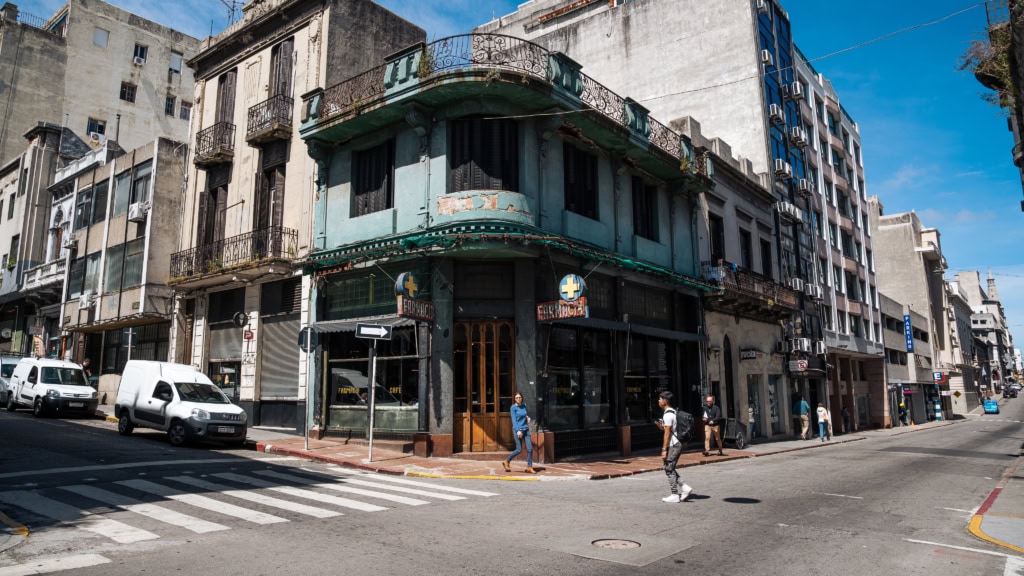
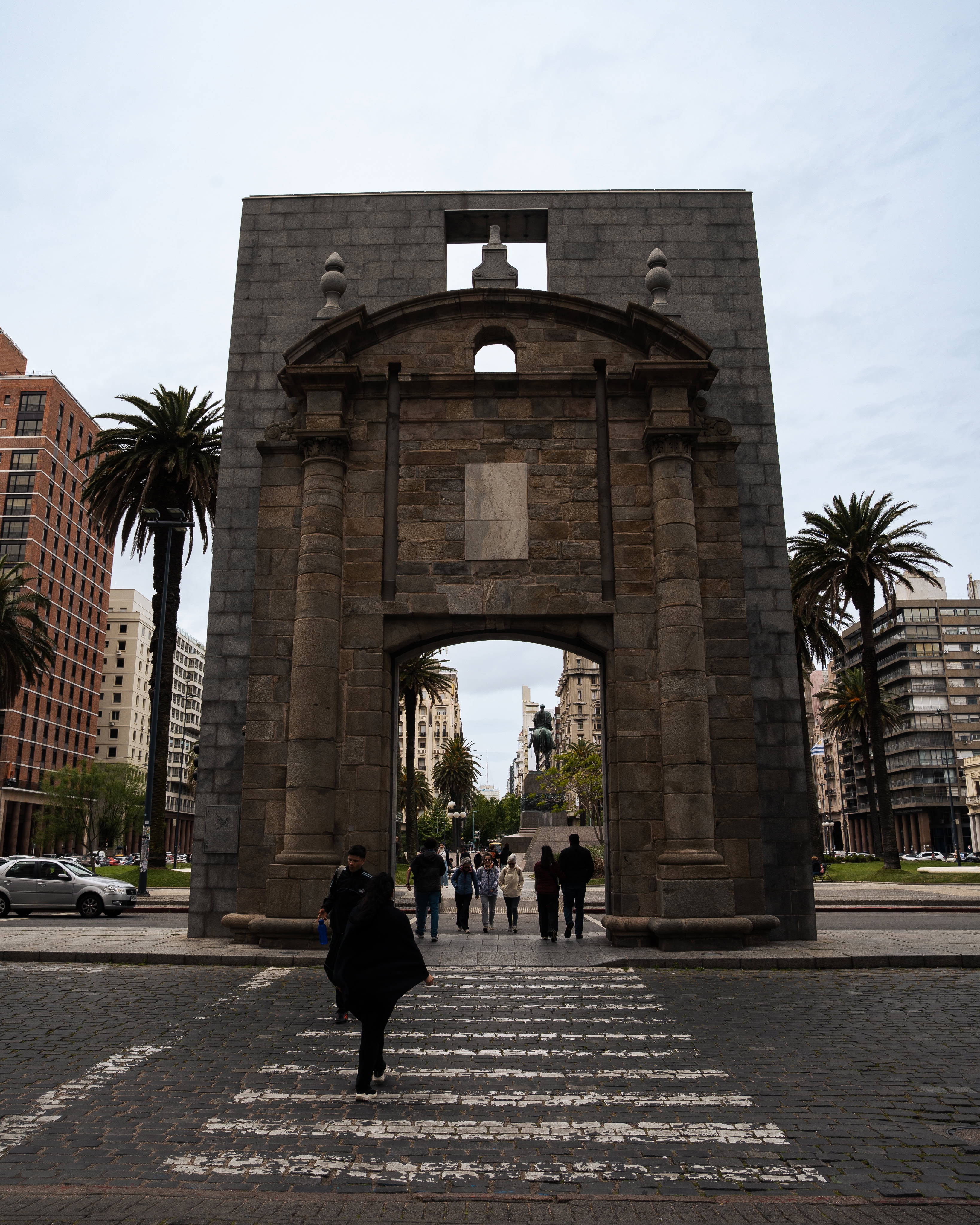
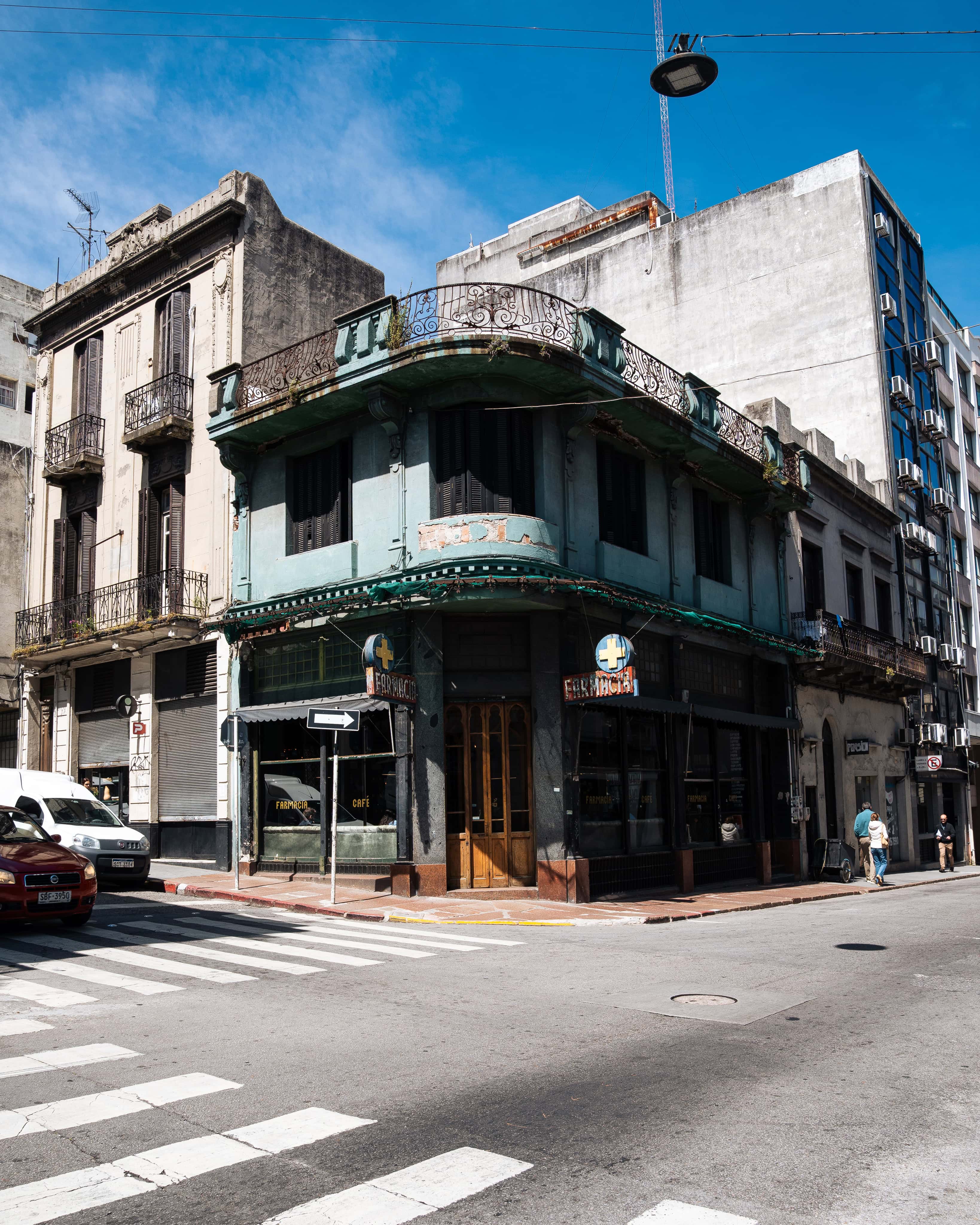
The Ciudad Vieja (Old Town) is Montevideo’s oldest district and is considered the historic centre of Uruguayan history. It was here that the city began to develop in the 18th century when it was still a Spanish colonial settlement. Today, restored colonial buildings, small boutiques, art galleries and cosy cafés line its narrow streets.
A walk through the district takes you past impressive buildings such as the cathedral, the town hall and numerous museums. The blend of classical architecture and street art is particularly striking, as is the vibrant nightlife. In the evenings, the bars and restaurants fill up and live music and tango dominate the street scene.
Mercado Ferrando – A modern food hall with local flair
To experience the creative side of Montevideo, visit Mercado Ferrando. This former industrial hall has been transformed into a contemporary gourmet food hall, offering a stylish blend of local and international flavours. You will find young chefs, innovative start-ups, and traditional producers reinterpreting Uruguayan cuisine here.
From homemade empanadas and vegan bowls to craft beers and speciality coffees, there is something for everyone. There is a particularly lively atmosphere at weekends with music, street food and a convivial crowd. The market is located in the Cordón district, a young, urban neighbourhood that has developed into a culinary hotspot in recent years.
Plaza Independencia – Symbol of the Nation
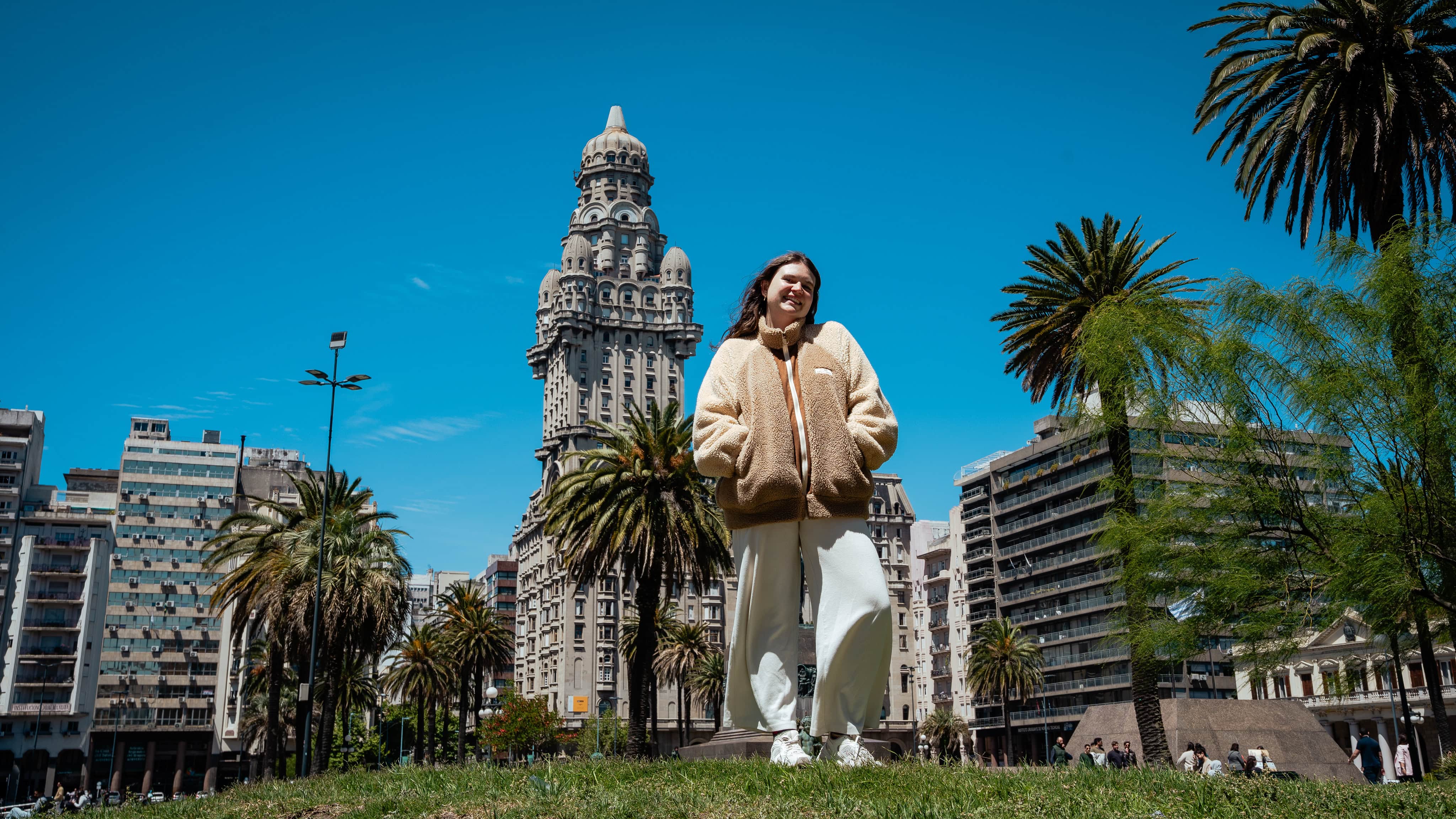
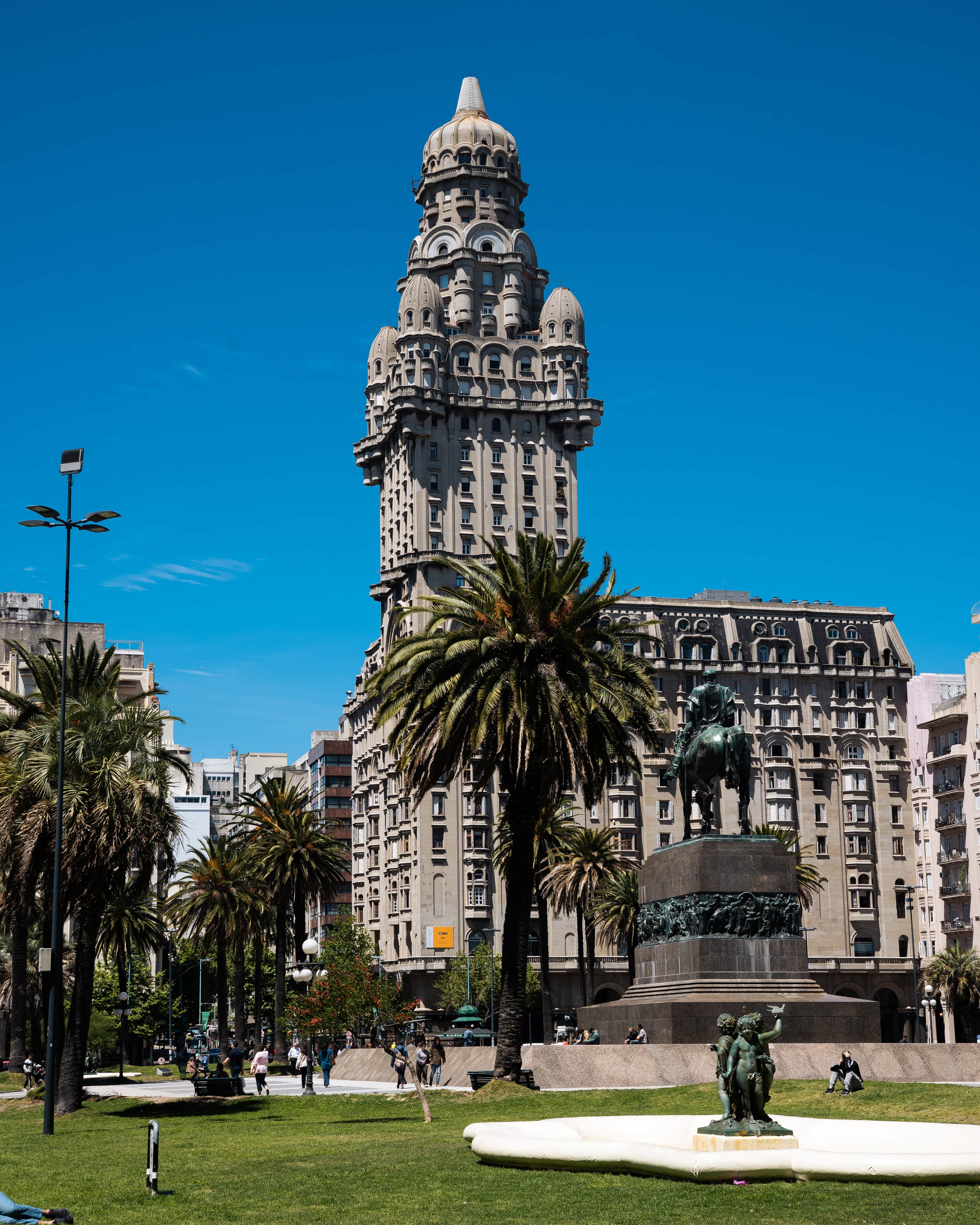
Between the old and new towns lies Plaza Independencia, Montevideo’s most important square and one of Uruguay’s most symbolic places. In the centre stands the equestrian statue of José Gervasio Artigas, the country’s national hero and freedom fighter. Beneath the monument lies Artigas’s mausoleum, where his remains are buried.
The plaza is also home to the imposing Palacio Salvo, an architectural landmark of Montevideo. With its striking, slightly surreal façade, it was the tallest building in South America when completed in 1928. The plaza is the ideal starting point for exploring both the historic old town and the modern business district.
Teatro Solís – Architectural masterpiece and cultural centre
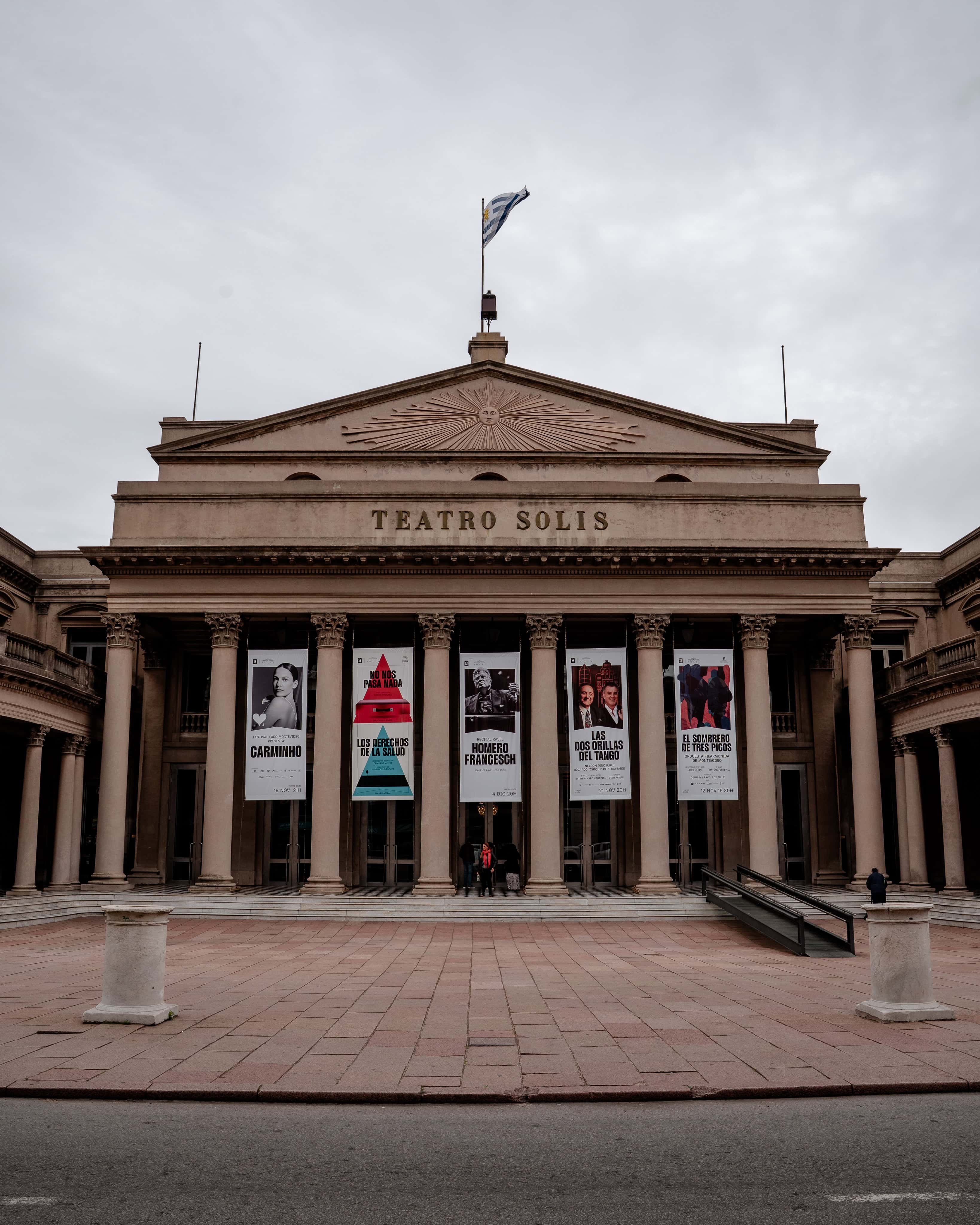
Nur wenige Schritte von der Plaza Independencia entfernt liegt das Teatro Solís, das wichtigste Theater des Landes und zugleich eines der ältesten Opernhäuser Südamerikas. Es wurde 1856 eröffnet und im 21. Jahrhundert umfassend restauriert. Das prachtvolle Gebäude mit klassizistischer Fassade und beeindruckendem Innenraum ist für Kulturinteressierte ein absolutes Muss.
Guided tours of the theatre are highly recommended, offering fascinating insights into its architecture, history, and significance in Uruguayan cultural life. If you have the opportunity, be sure to attend a performance, as the acoustics and atmosphere are exceptional.
The Rambla – Montevideo's most beautiful promenade
The Rambla de Montevideo is much more than just a waterfront road. Stretching for over 22 kilometres along the Río de la Plata, it is a popular meeting place for locals and visitors alike. Joggers, cyclists and walkers share the promenade with groups drinking mate, families, and street musicians.
From the old town to Pocitos and the Carrasco district, the Rambla offers an abundance of new experiences: small beaches, parks, sculptures and sweeping vistas. Montevideo is at its most beautiful here, especially at sunset. Walking along the Rambla is an unforgettable experience on any trip to the city.
Mercado del Puerto – Barbecue culture and joie de vivre
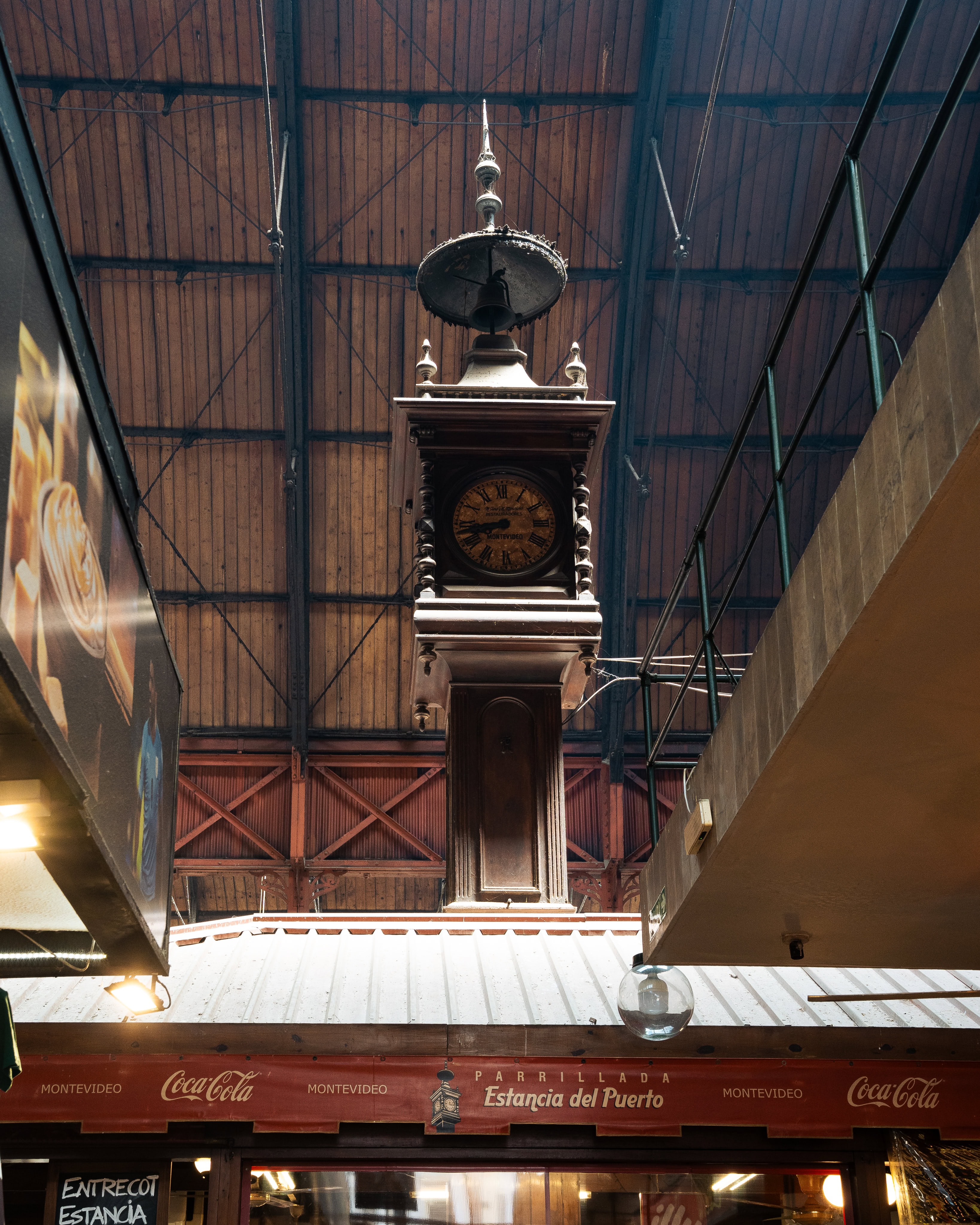
In unmittelbarer Nähe des Hafens befindet sich mit dem Mercado del Puerto eine historische Markthalle aus dem 19. Jahrhundert. Sie ist heute ein Zentrum uruguayischer Gastronomie. Der Duft von gegrilltem Fleisch liegt in der Luft, denn hier reiht sich ein Grillrestaurant ans nächste.
The market is particularly lively at lunchtime. Locals, travellers, artists and musicians all come together here to eat and enjoy themselves. The typical dish is asado: grilled beef prepared in a variety of ways. As well as meat, there are also excellent wines, handmade crafts and small souvenirs on offer. A visit to the Mercado del Puerto is an experience for all the senses and an indispensable part of any trip to Montevideo.
Parque Rodó – A green oasis in the city
Parque Rodó is one of Montevideo’s most famous parks and offers a welcome change from city life. Located south of the city centre in the neighbourhood of the same name, it is particularly popular with families, joggers and students. The park is named after the writer José Enrique Rodó, whose monument stands in the middle of the extensive green spaces.
As well as walking paths and ponds, the park has a small amusement park, sports facilities, and the Museo Nacional de Artes Visuales (National Museum of Visual Arts), Uruguay’s most important art museum. After a cultural visit, visitors can relax in the shade of the old trees or stroll along the Rambla with an ice cream, as the park is only a few minutes away from the coast.
Plaza Zabala – A historical gem and green oasis in the old town
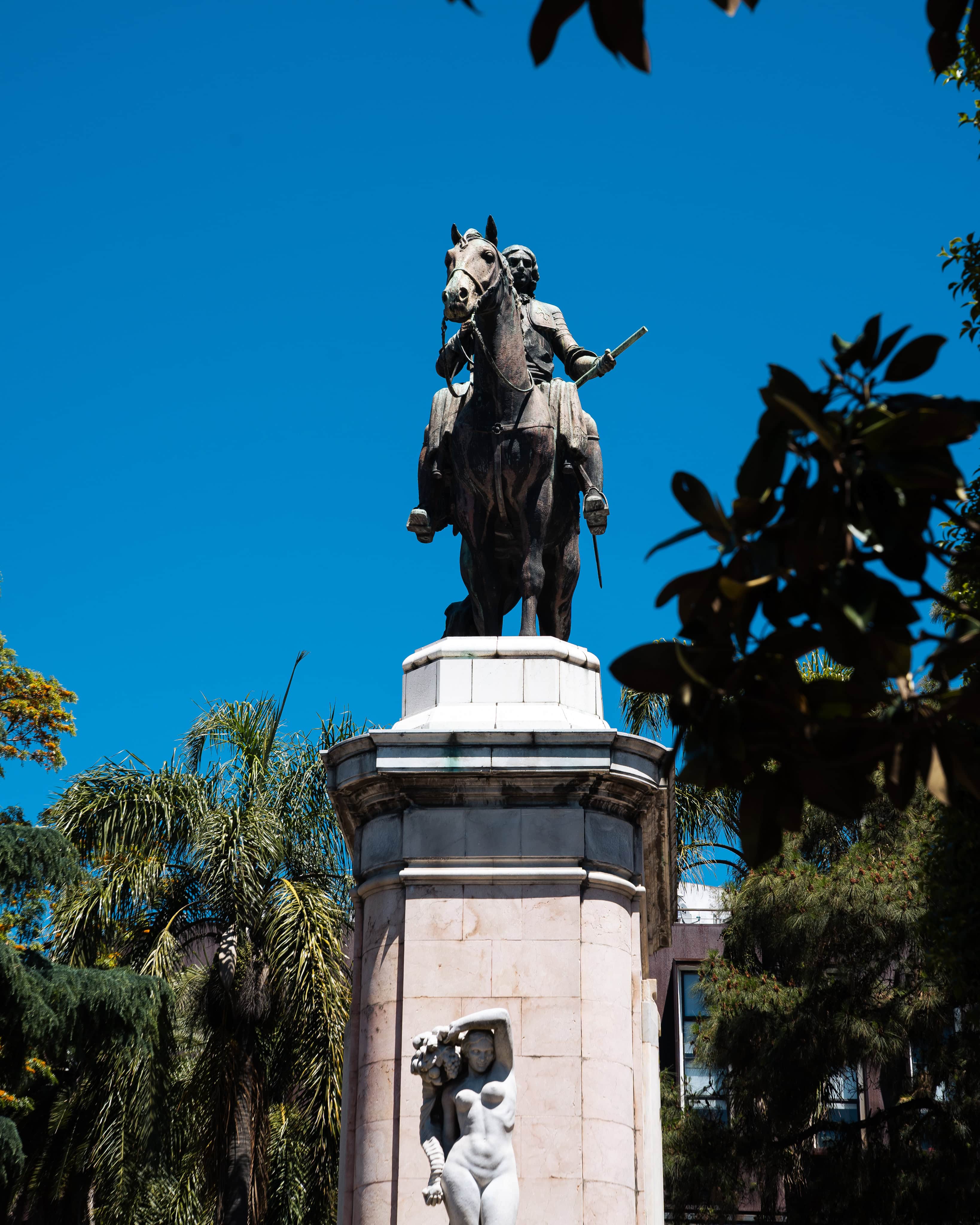
Plaza Zabala is one of the most beautiful and historic squares in Montevideo. Located in Ciudad Vieja, it is just a few minutes’ walk from the harbour and Plaza Independencia, and is considered one of the city’s oldest and most elegant places. Opened in 1878, it is named after Brigadier General Bruno Mauricio de Zabala, the founder of Montevideo in 1724. His bronze equestrian statue stands in the centre of the square, lending it a solemn, historic air.
Rather than being an open, dusty area typical of many South American squares, it features a well-tended, symmetrically laid-out garden with winding paths, old trees, wrought-iron fences, and manicured lawns. Consequently, the plaza is more reminiscent of a Parisian city park than a Latin American square — a place where you can pause, take a deep breath, and forget the hustle and bustle of the old town for a moment.
Montevideo: Culture, cuisine and coastal flair
Montevideo combines history, a modern joie de vivre and an exceptionally relaxed atmosphere. The historic walls of Ciudad Vieja, the cultural highlights of the Teatro Solís and the lively markets reflect Uruguay’s diversity. The compact, safe city offers the perfect balance of urban culture and Mediterranean lifestyle.
Visitors experience the authentic South American spirit: a blend of hospitality, music and enjoyment, tinged with a hint of melancholy – much like the tango, which can still be heard in the streets today.