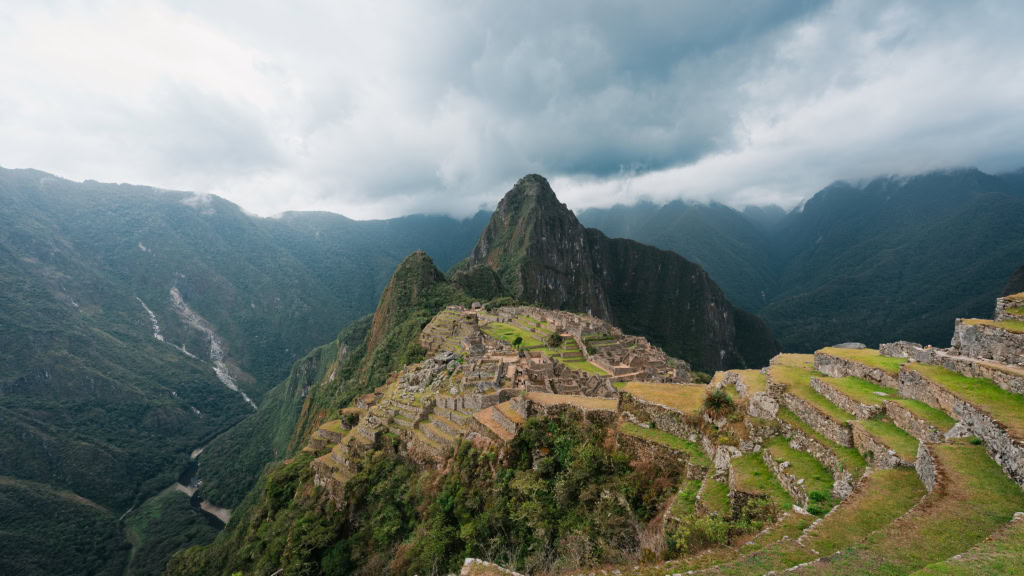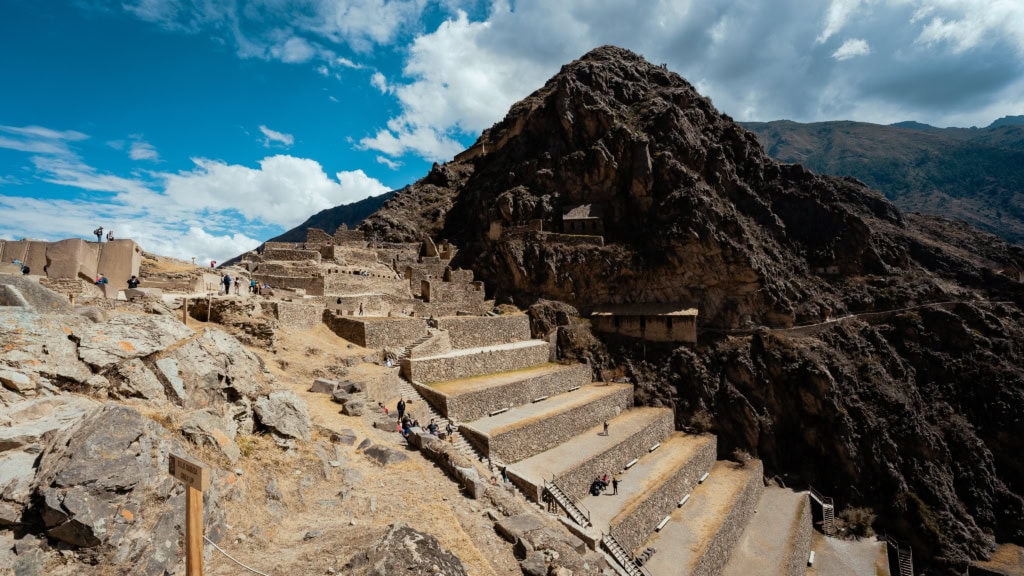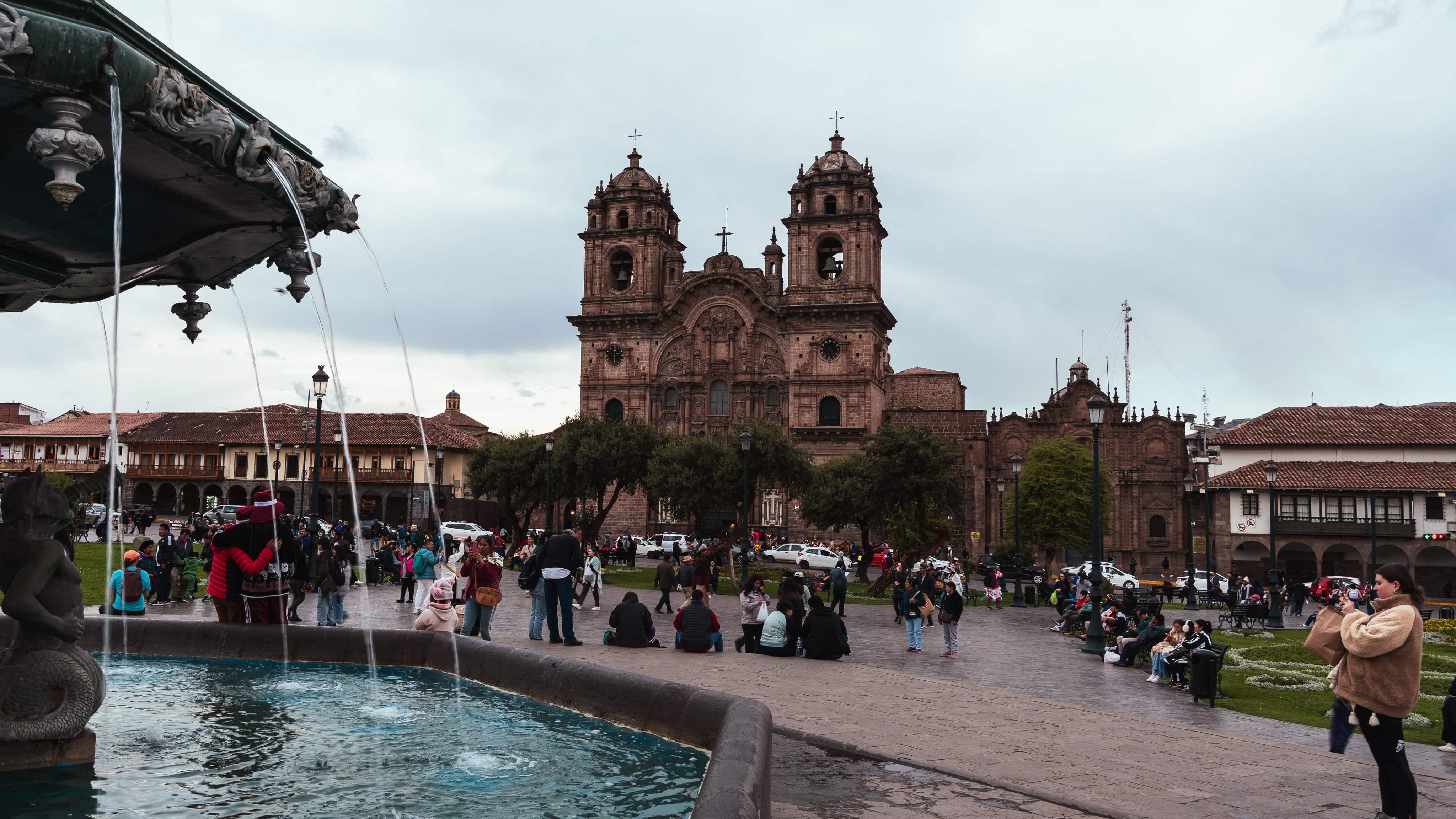
Ein magischer Mix aus Inka-Erbe, kolonialer Architektur, dynamischer Gastronomie und atemberaubender Hochgebirgsnatur: Cusco ist mehr als nur das Tor zu Machu Picchu – die Stadt selbst ist eine Reise wert.
Location & climate: Where exactly is Cusco and what does that mean for travellers?
Cusco (also spelled Cuzco in Spanish) is located in the central Peruvian Andes in a fertile valley of the Río Huatanay, at an altitude of around 3,400 metres. Nestled in a mountain basin, the city resembles an amphitheatre, with steep alleys leading from the Plaza de Armas in all directions and the surrounding mountains shaping the microclimate. Due to the high altitude, there are clear differences in temperature between day and night: it can be warm during the day and very cold at night. The city’s climate has a distinct dry season (approximately May–October) and a rainy season (November–March).
The main mode of transport is usually by plane. Alejandro Velasco Astete International Airport (IATA: CUZ) is located right next to the city. Flights from Lima usually take between 1 hour and 15 minutes and 1 hour and 30 minutes for a direct connection. Short-haul flights are therefore the fastest option. Alternatively, you can travel by bus, which takes approximately 20–24 hours from Lima, or by a combination of train and bus for the section towards Machu Picchu (e.g. Cusco – Ollantaytambo – Aguas Calientes).
A brief history – Why Cusco is so important
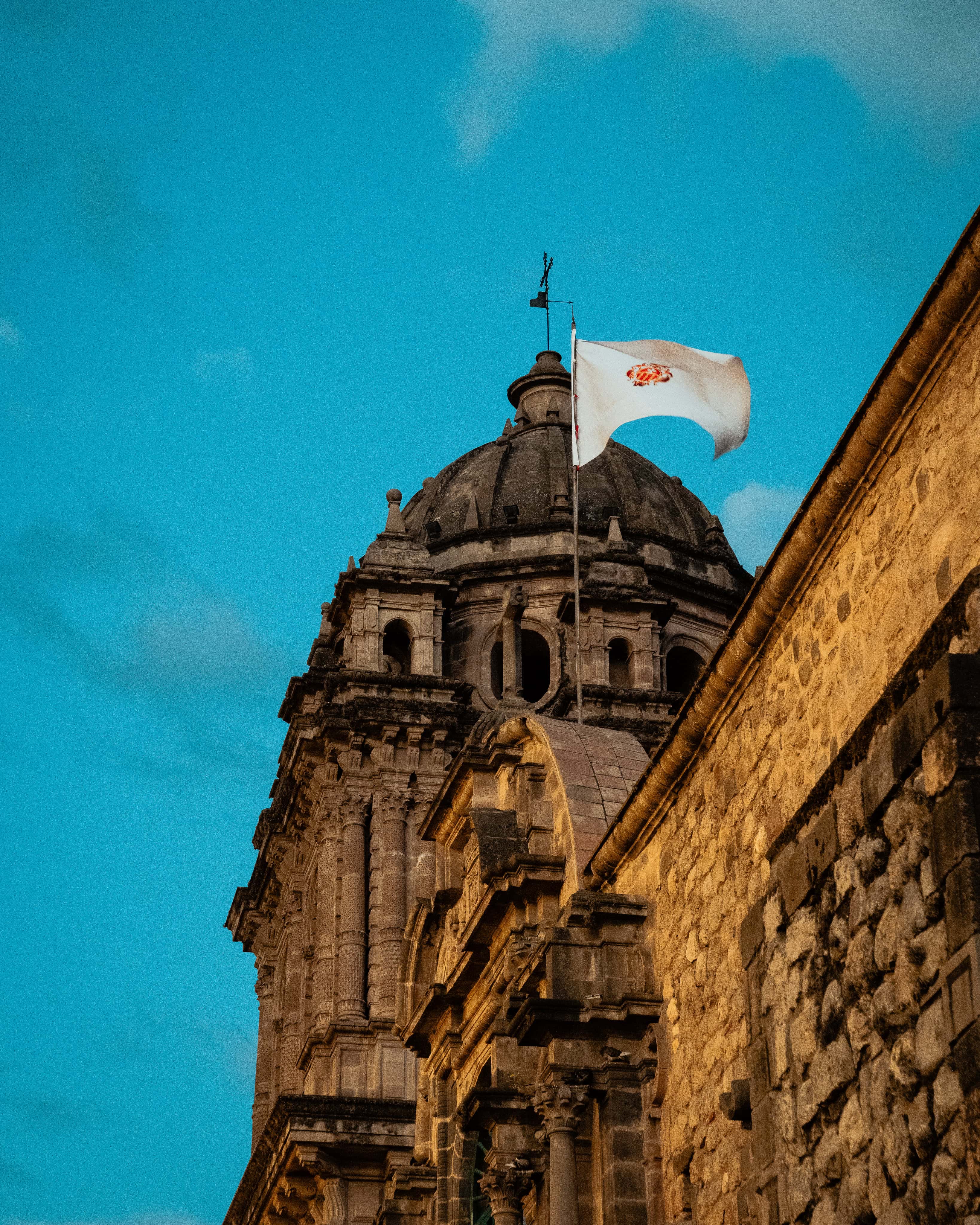
Cusco war die Hauptstadt des Inkareichs (Tawantinsuyu) und entwickelte sich im 13.–15. Jahrhundert zu einem der wichtigsten politischen, religiösen und kulturellen Zentren Südamerikas. Die Inka planten Teile der Stadt angeblich symbolisch, etwa in Puma-Form, und errichteten monumentale Steinbauten, Terrassen und Tempel. Die präzise gefügten Steinmauern faszinieren noch heute. Mit der spanischen Eroberung in den 1530er Jahren wurde die präkolumbische Bausubstanz vielfach überbaut: Koloniale Kirchen und Klöster stehen buchstäblich auf Inka-Fundamenten. Die Bedeutung der Stadt hat zu internationaler Anerkennung geführt: Das historische Zentrum von Cusco gehört zum UNESCO-Weltkulturerbe.
Praktische Reise- und Gesundheitstipps (Akklimatisierung, Tickets, Sicherheit)
Altitude adjustment & health
At an altitude of around 3,400 metres, many travellers experience mild to moderate symptoms of altitude sickness, such as headaches, fatigue and loss of appetite. Recommendations include starting slowly, drinking plenty of fluids, eating light meals and avoiding excessive exertion in the first 24–48 hours. Coca tea is widely available and is said to alleviate mild symptoms, but it has not been proven to prevent altitude sickness. For reliable medical advice and information on travel medicine, we recommend the CDC guidelines or a travel medicine specialist. If symptoms worsen (e.g. shortness of breath or severe dizziness), descend immediately and seek medical attention.
Inca Trail & trekking permits
The classic Inca Trail has limited availability, as government regulations restrict the number of places available each day. Permits are therefore in high demand and tend to be booked up months in advance. The trail is traditionally closed in February for maintenance. When planning your trip, be sure to book with a licensed provider.
Machu Picchu tickets & Cusco Tourist Ticket (Boleto Turístico)
Access to Machu Picchu is centrally controlled via the official online ticket platform. Since 2021, there have been fixed tours (circuits) that cannot be freely combined. Therefore, you should book early to secure your preferred circuit and date! For numerous attractions in Cusco, such as museums and ruins, there is the Cusco Tourist Ticket (Boleto Turístico), which is useful if you want to visit several places over several days. Prices and validity periods vary (usually 10 days for the complete package).
Safety & money
Although Cusco is well developed for tourism, pickpocketing, attempted fraud and local protests/passive roadblocks are still possible. Demonstrations can take place unexpectedly and disrupt travel by train or bus. Official travel advice recommends avoiding crowds and checking the latest information. It is useful to have cash in soles for market and transport purchases, while tourist restaurants and hotels usually accept cards (Visa/Mastercard) or US dollars. There are numerous cash machines, with varying fees.

Top sights in and around Cusco – What should be on your itinerary?
Plaza de Armas & historische Innenstadt
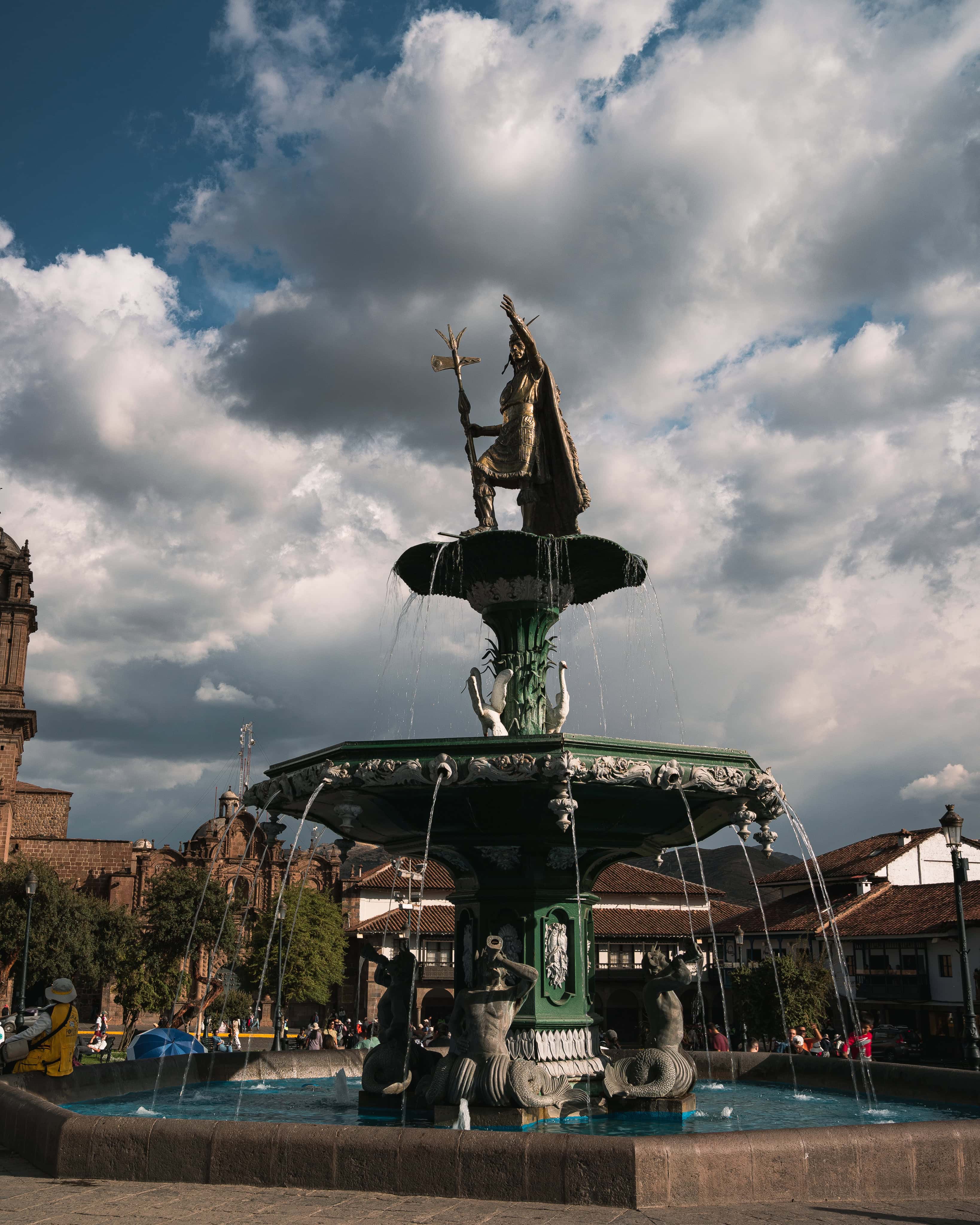
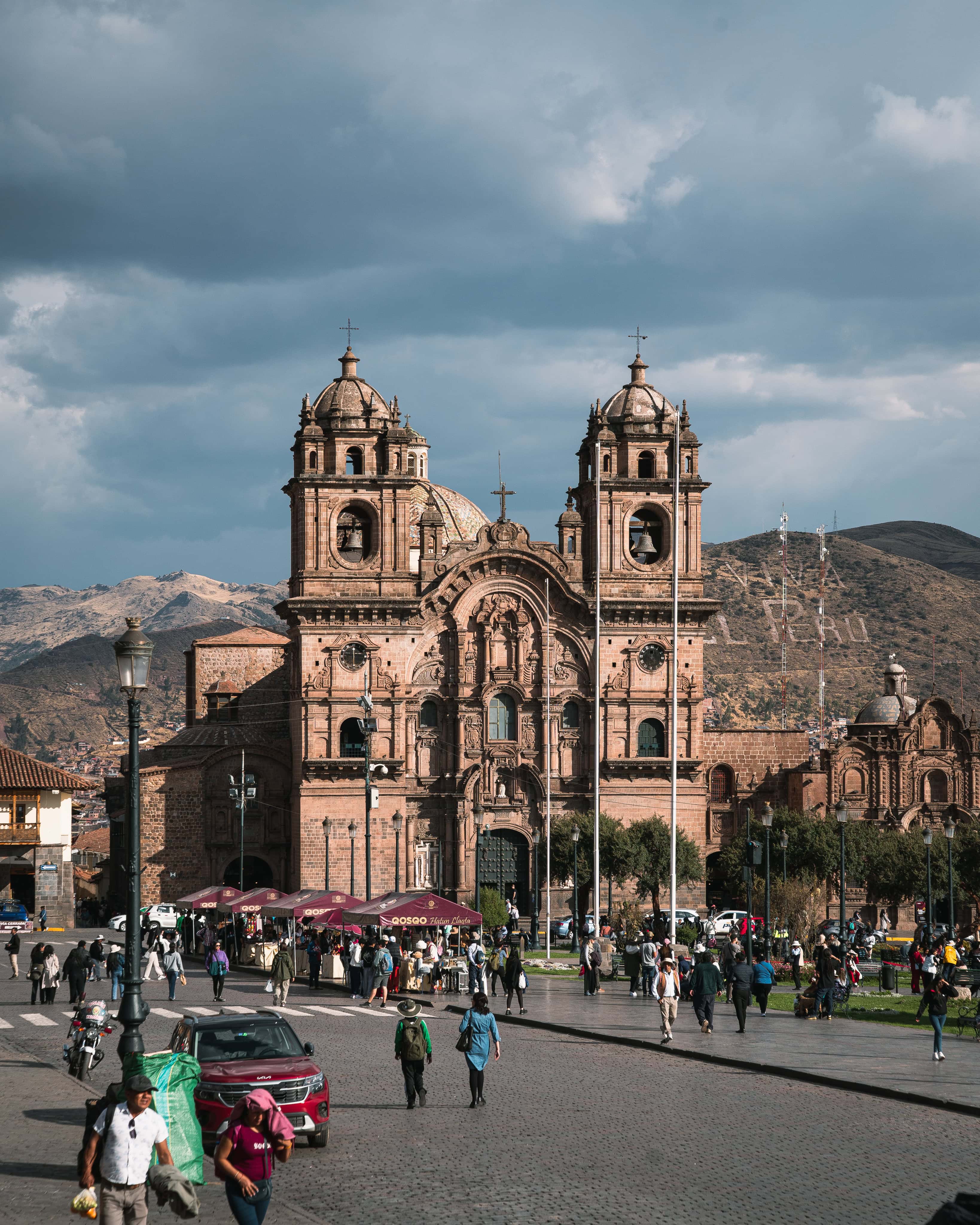
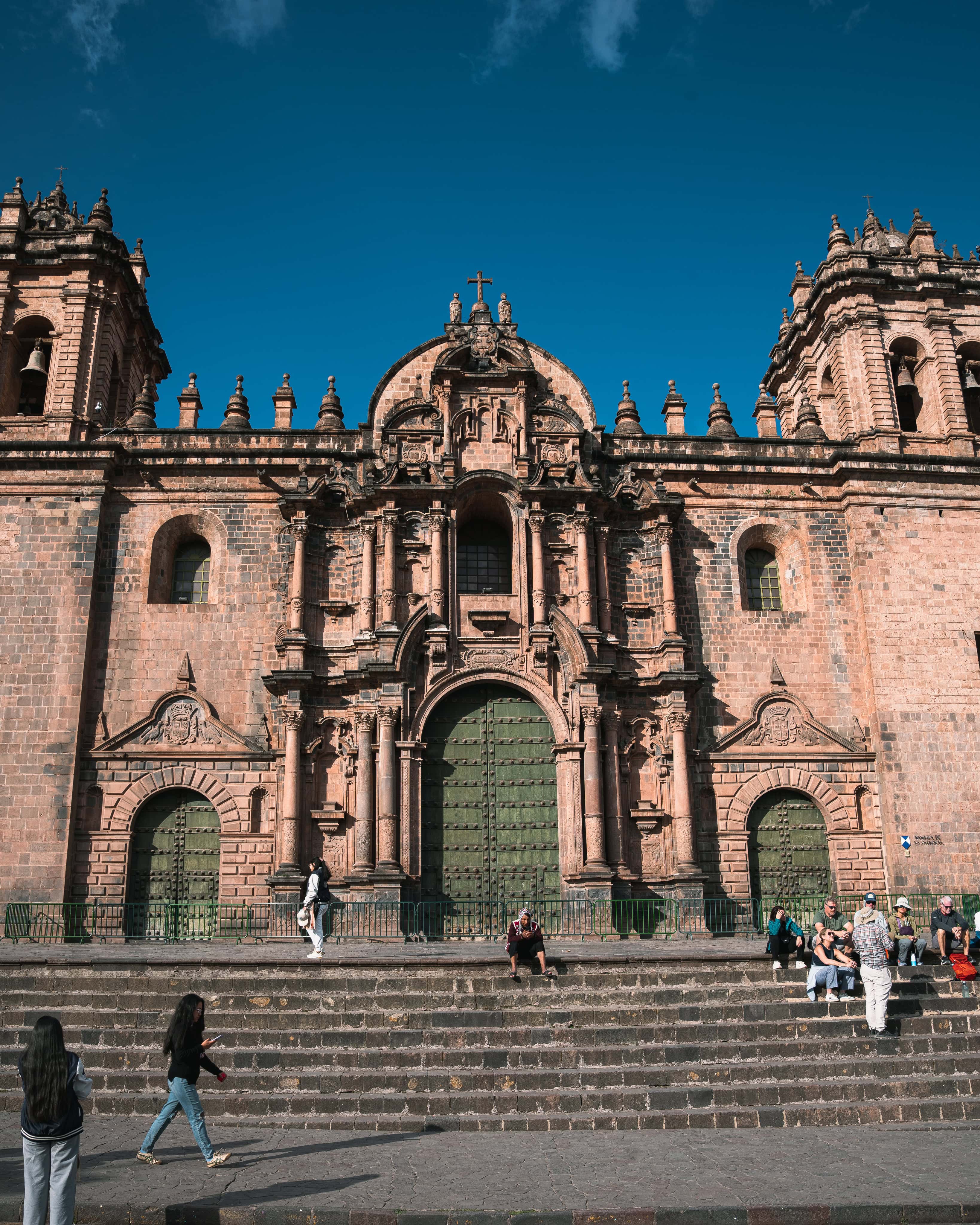
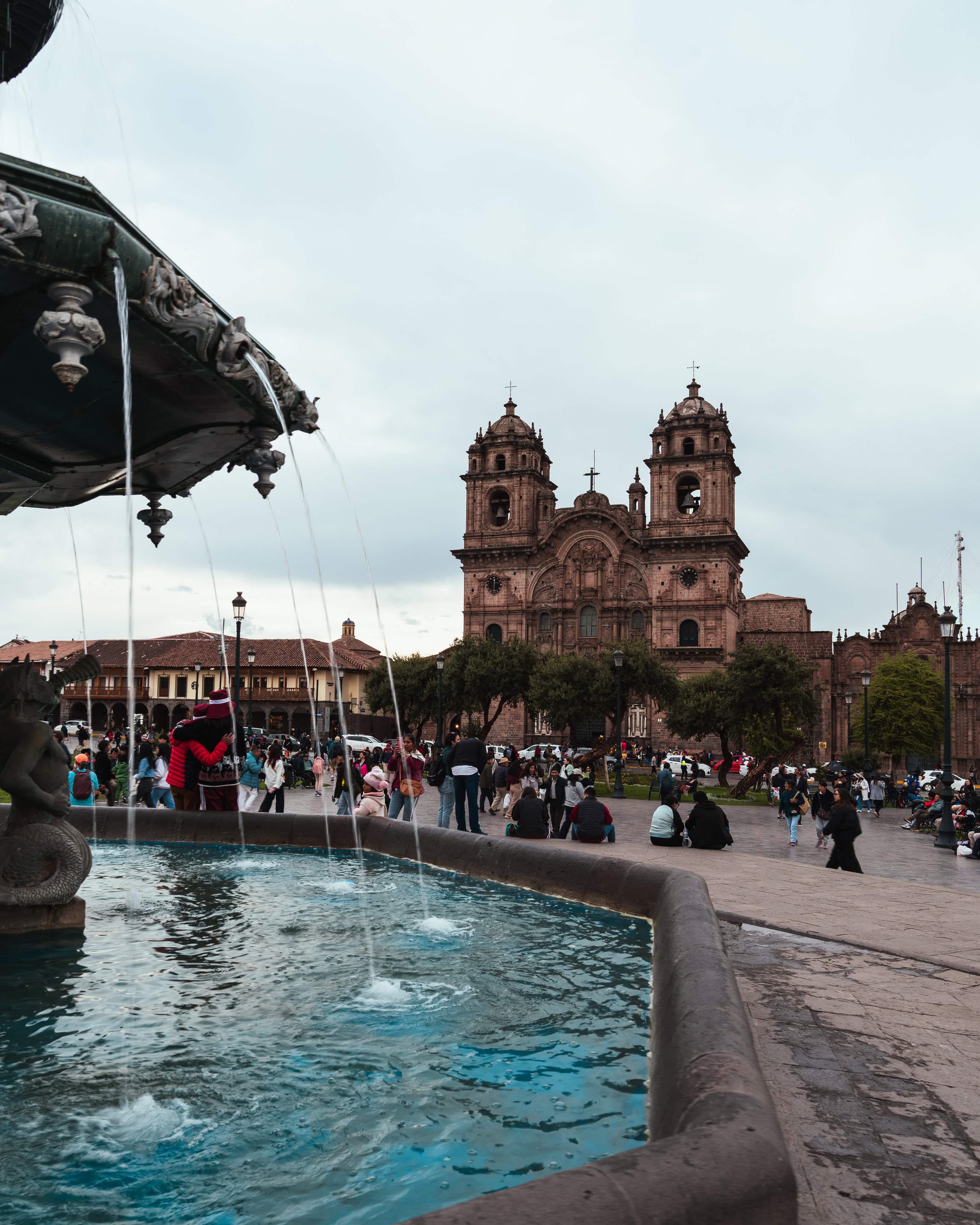
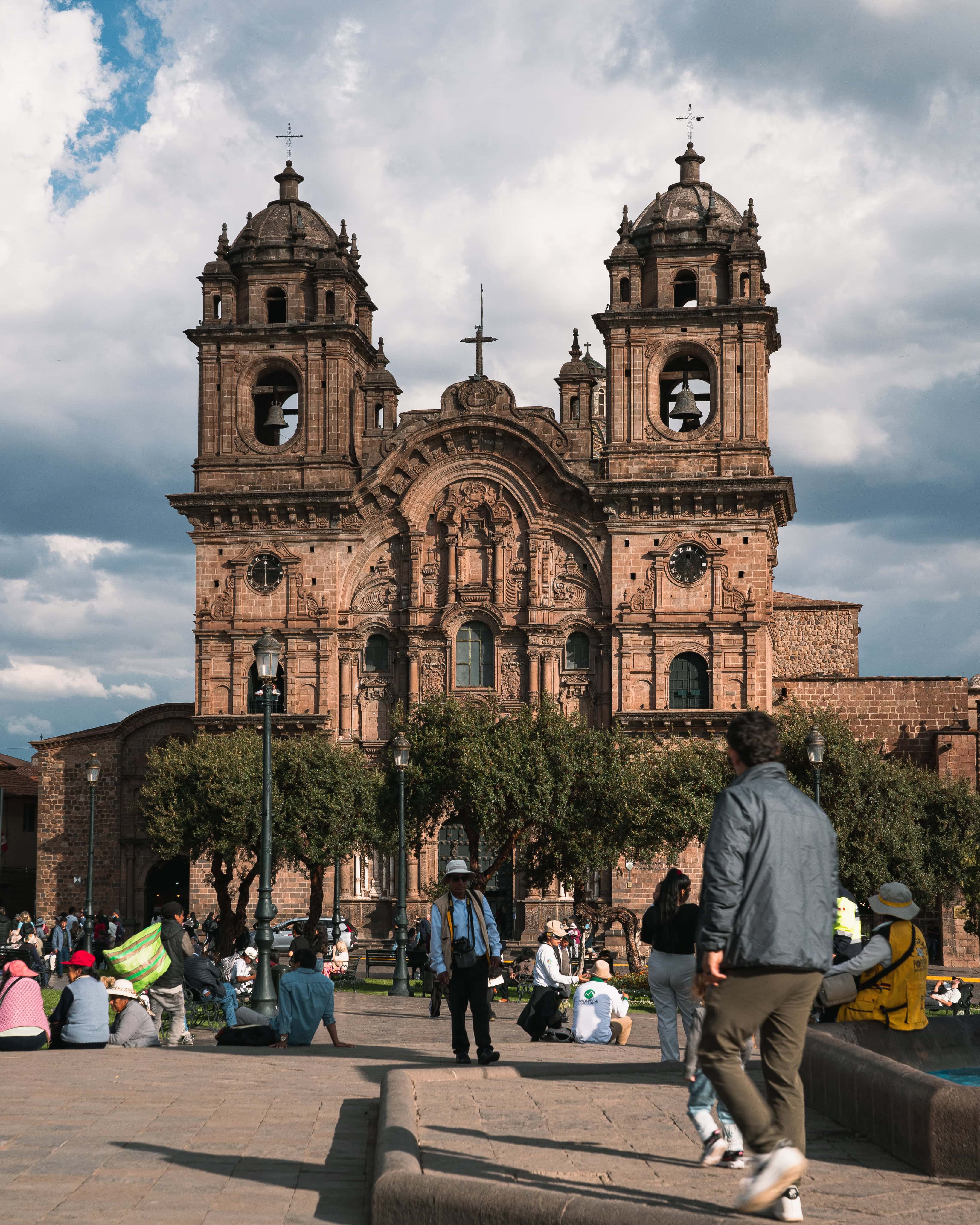
The Plaza de Armas is the heart of the city. Flanked by the cathedral and colonial arcades, it is the starting point for visits to many churches, museums and restaurants. As you walk around, you will notice the different layers of history. First, the Inca foundations, then the Spanish buildings. The plaza is also often used for local festivals and markets.
Qoricancha (Temple of the Sun)
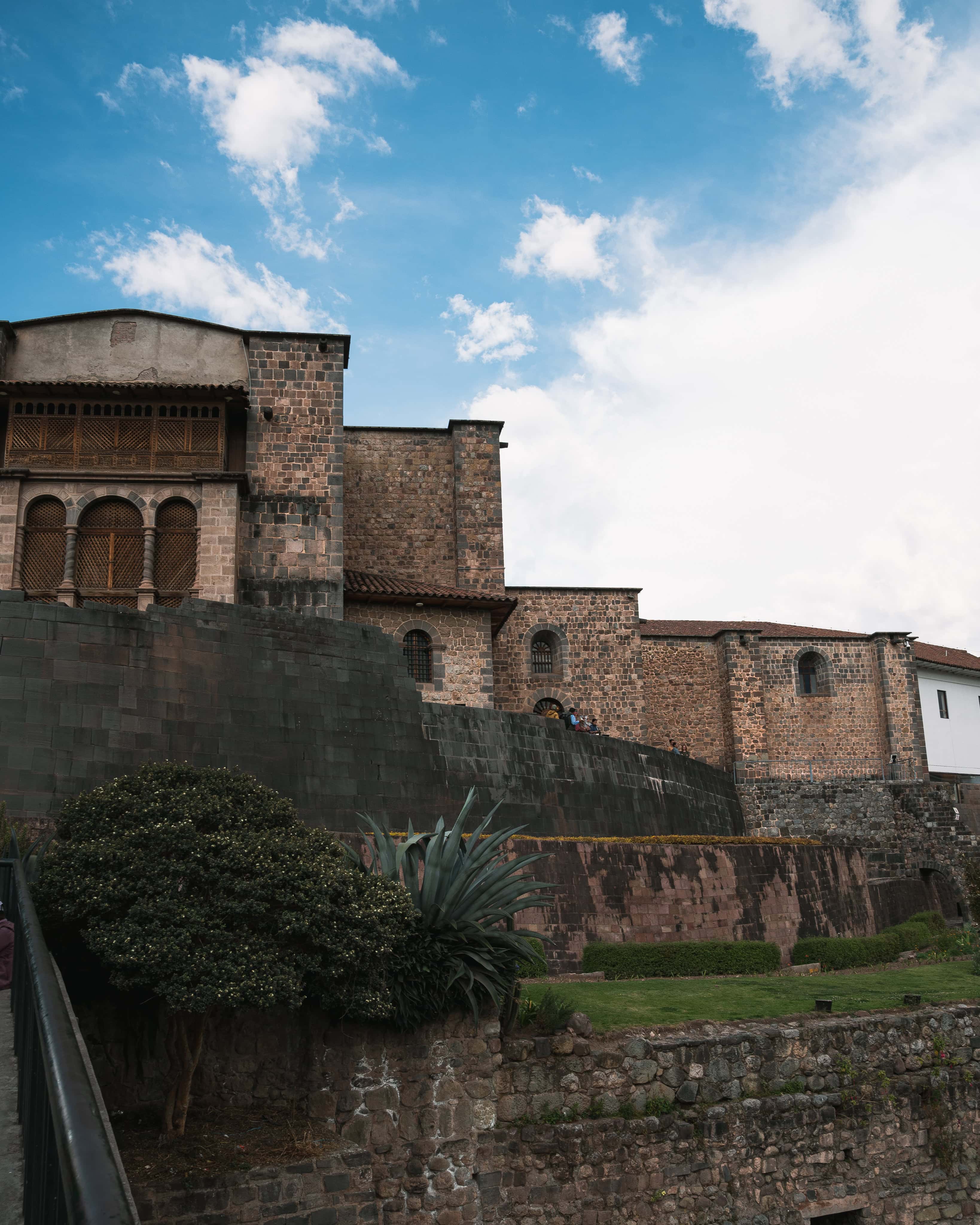
Once adorned with gold plates, the Qoricancha was the most important sanctuary in the Inca Empire. Today, visitors can explore the mighty Inca walls of the complex alongside the colonial church of Santo Domingo, which is a vivid example of the fusion of Inca and colonial architecture.
Mercado Central de San Pedro
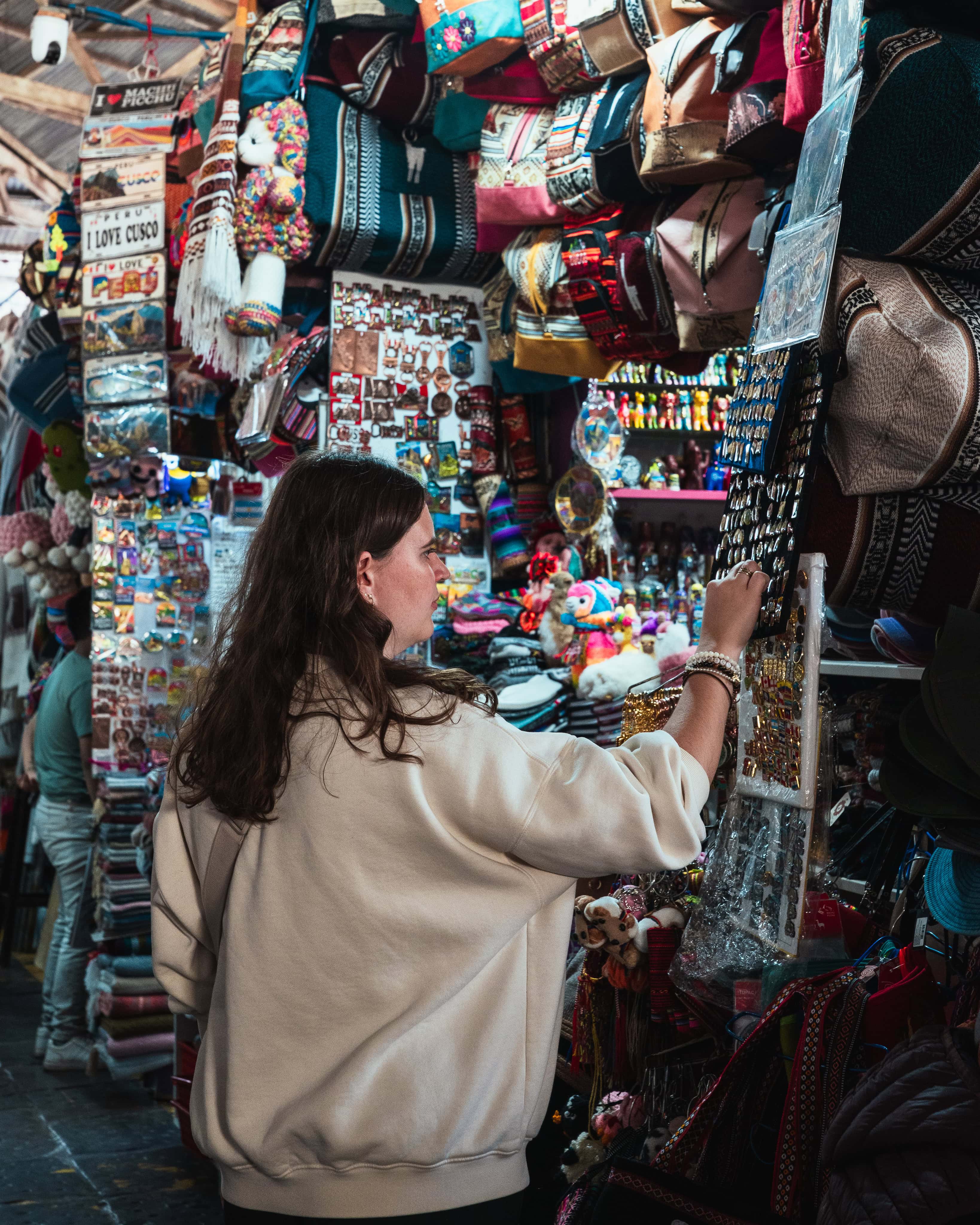
Visitors can buy fresh fruit and vegetables, meat and cheese, and traditional medicinal herbs here, as well as freshly squeezed juices, smoothies, soups, and typical dishes such as ceviche and chicharrón. There are also stalls selling handicrafts, souvenirs and local specialities.
Sacsayhuamán
The massive, perfectly constructed dry stone walls of Sacsayhuamán, on a hill north of the city, are technically and visually impressive. Visitors can enjoy not only the history, but also magnificent views over Cusco. Sacsayhuamán is also the venue for the annual Inti Raymi celebration.
San Blas & das Künstler- und Handwerksviertel
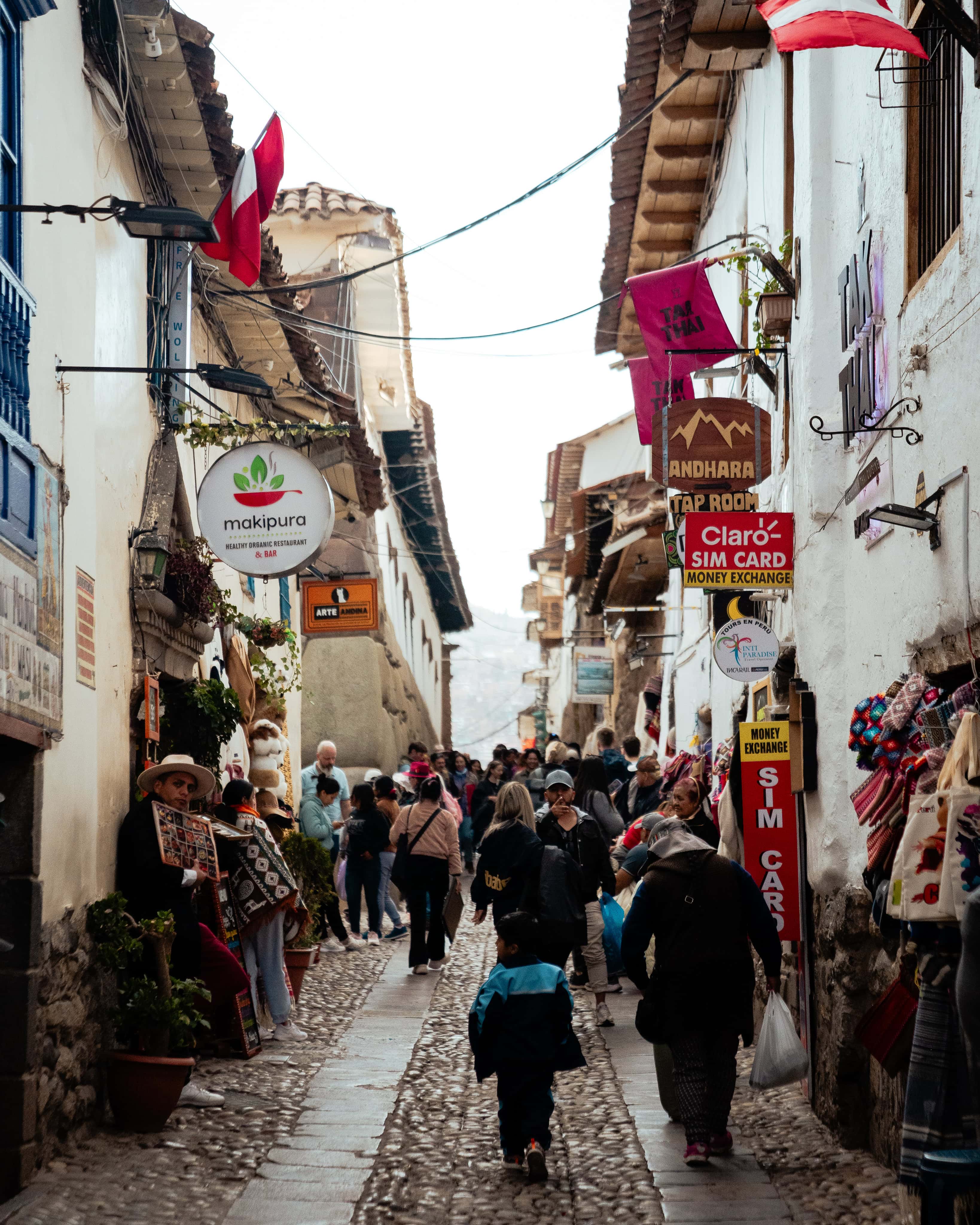
San Blas is a winding neighbourhood full of small galleries and workshops with a relaxed café atmosphere. It is ideal for strolling, buying souvenirs and shopping for artisan goods.
Hatun Rumiyoc & the 12-cornered stone
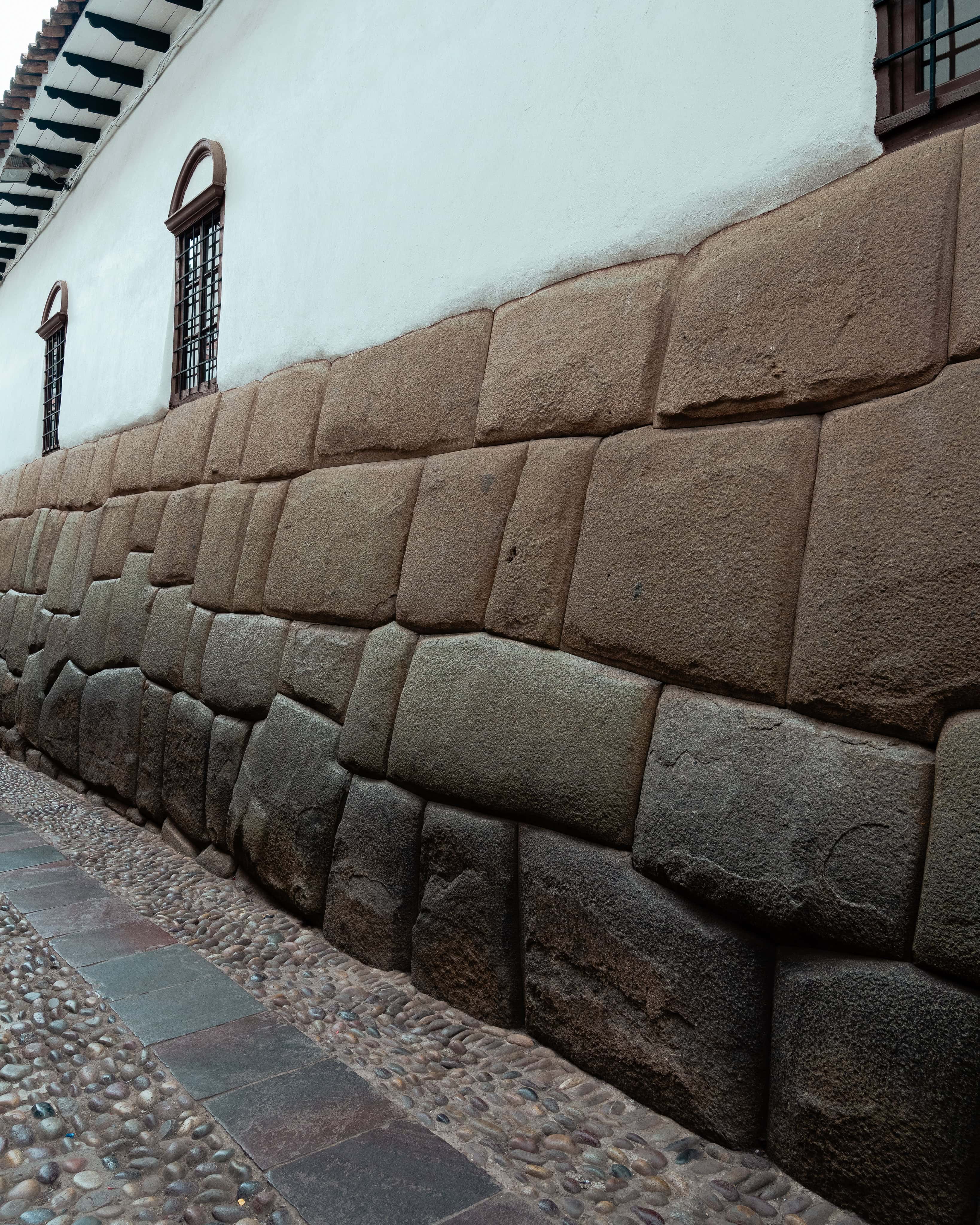
This narrow alleyway is home to one of the most famous examples of Inca stonework: the ’12-cornered stone’. This precisely fitted monolith symbolises the mastery of Inca architecture and is a popular photo opportunity.
Cristo Blanco
This eight-metre-high monument of Christ was erected above the city in 1945 and offers impressive panoramic views of Cusco and the surrounding valleys.
Museo Inka & other museums
To learn more about Inca history, we recommend visiting the Museo Inca (also known as the Casa del Almirante). Artefacts, textiles and ceramics help visitors to understand the city’s history. There are also special museums that are worth visiting, depending on your interests.
Day trips: Sacred Valley, Pisac, Ollantaytambo, Moray, Maras
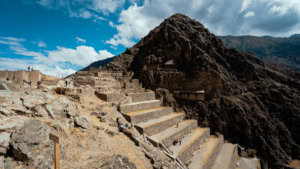
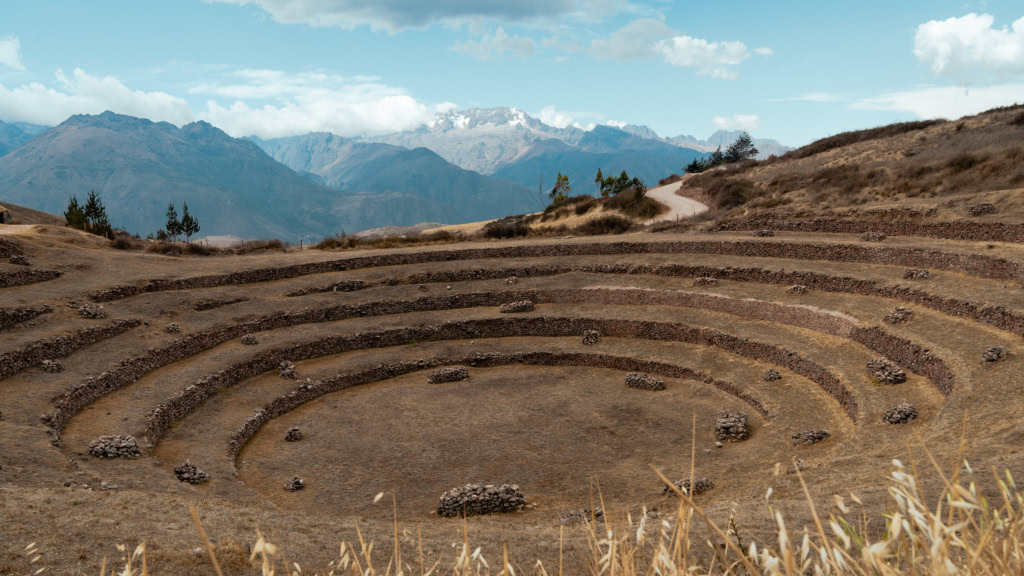
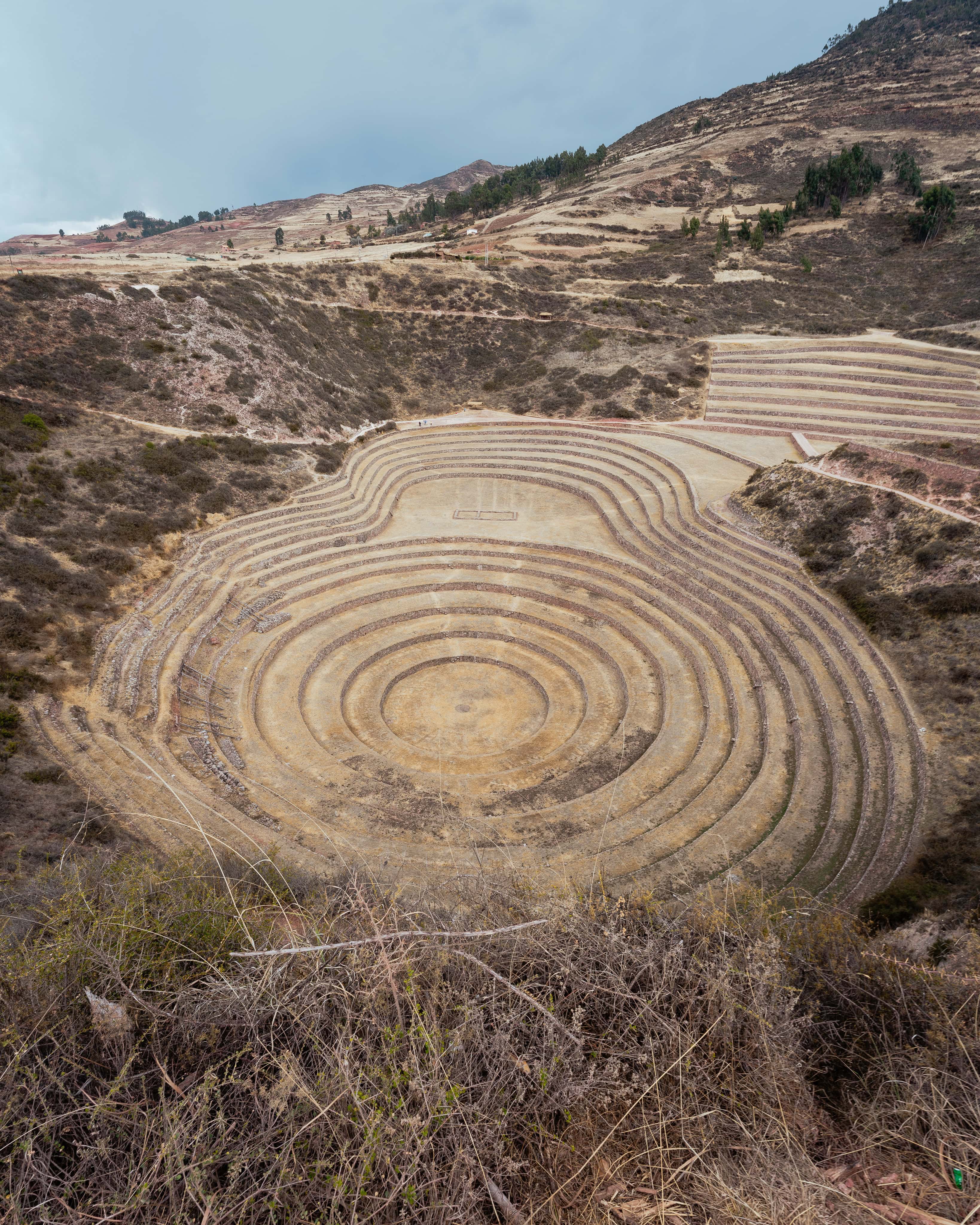
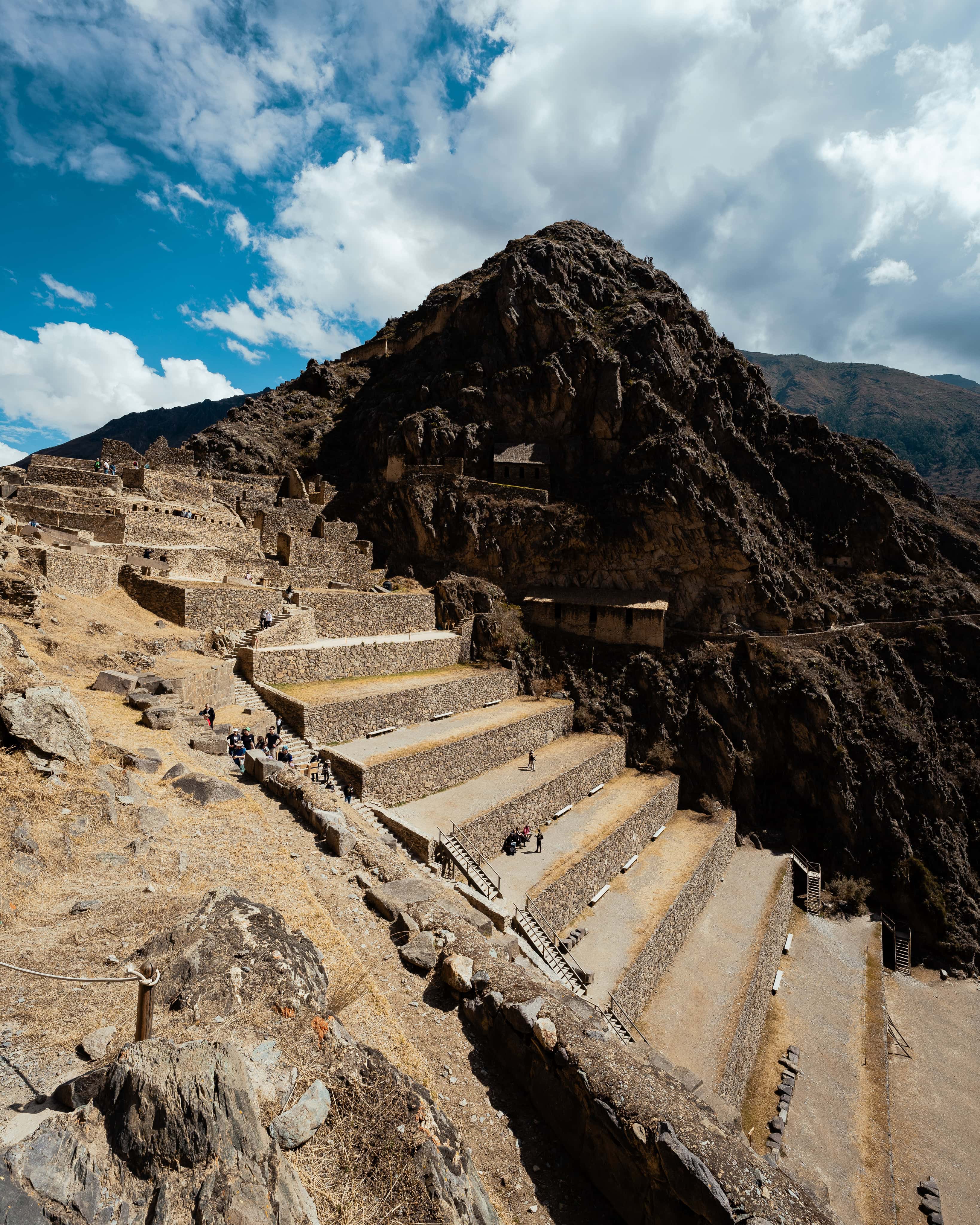
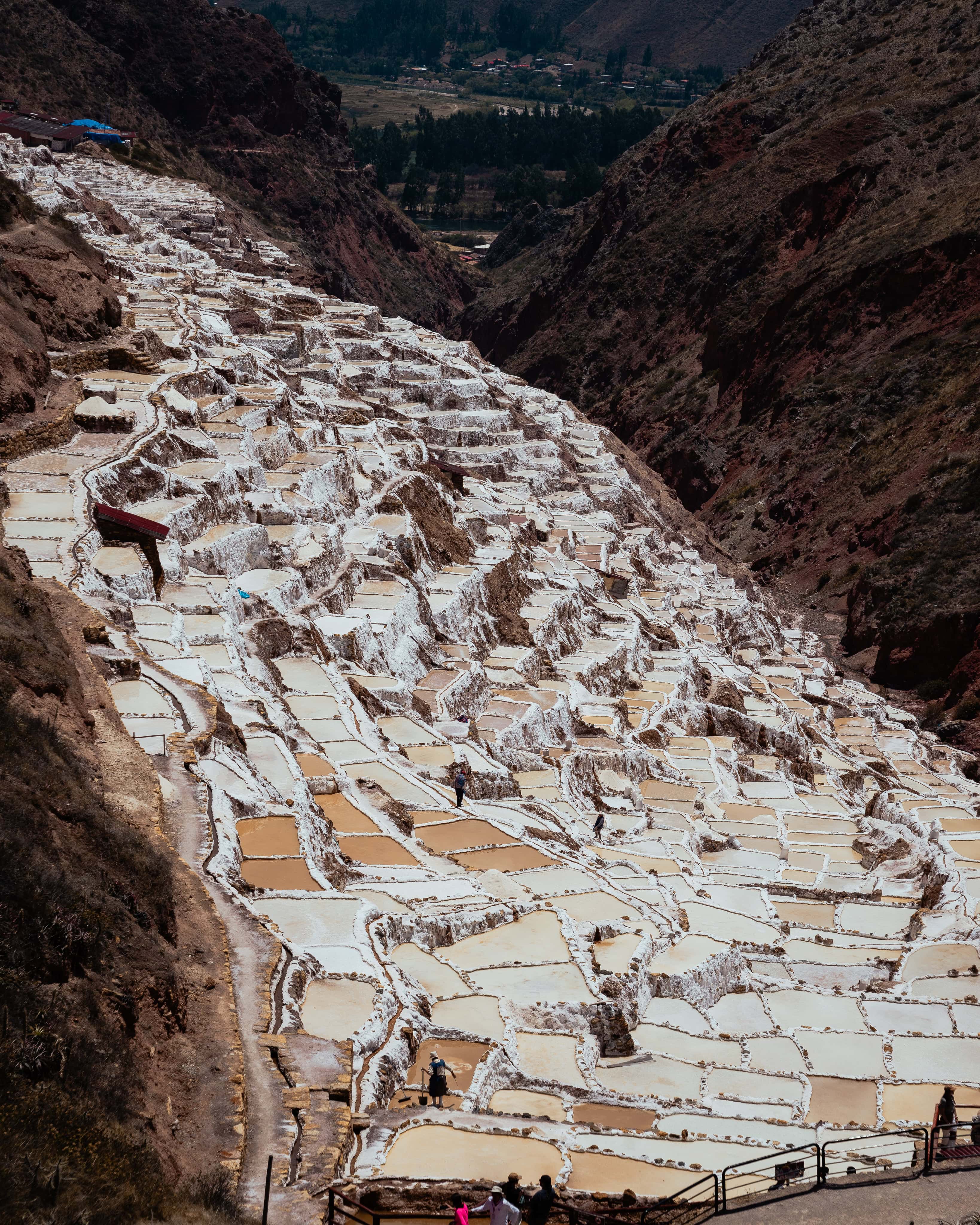
The Sacred Valley is an absolute must-see, with everything from the market in Pisac to the agricultural laboratories of Moray, the salt terraces of Maras and the lively fortress of Ollantaytambo within easy reach, conveying the vibrant rural heritage of the Andes.
Machu Picchu: The destination, but not in the city
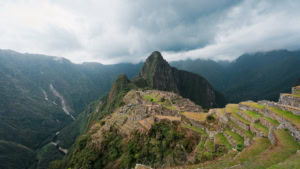
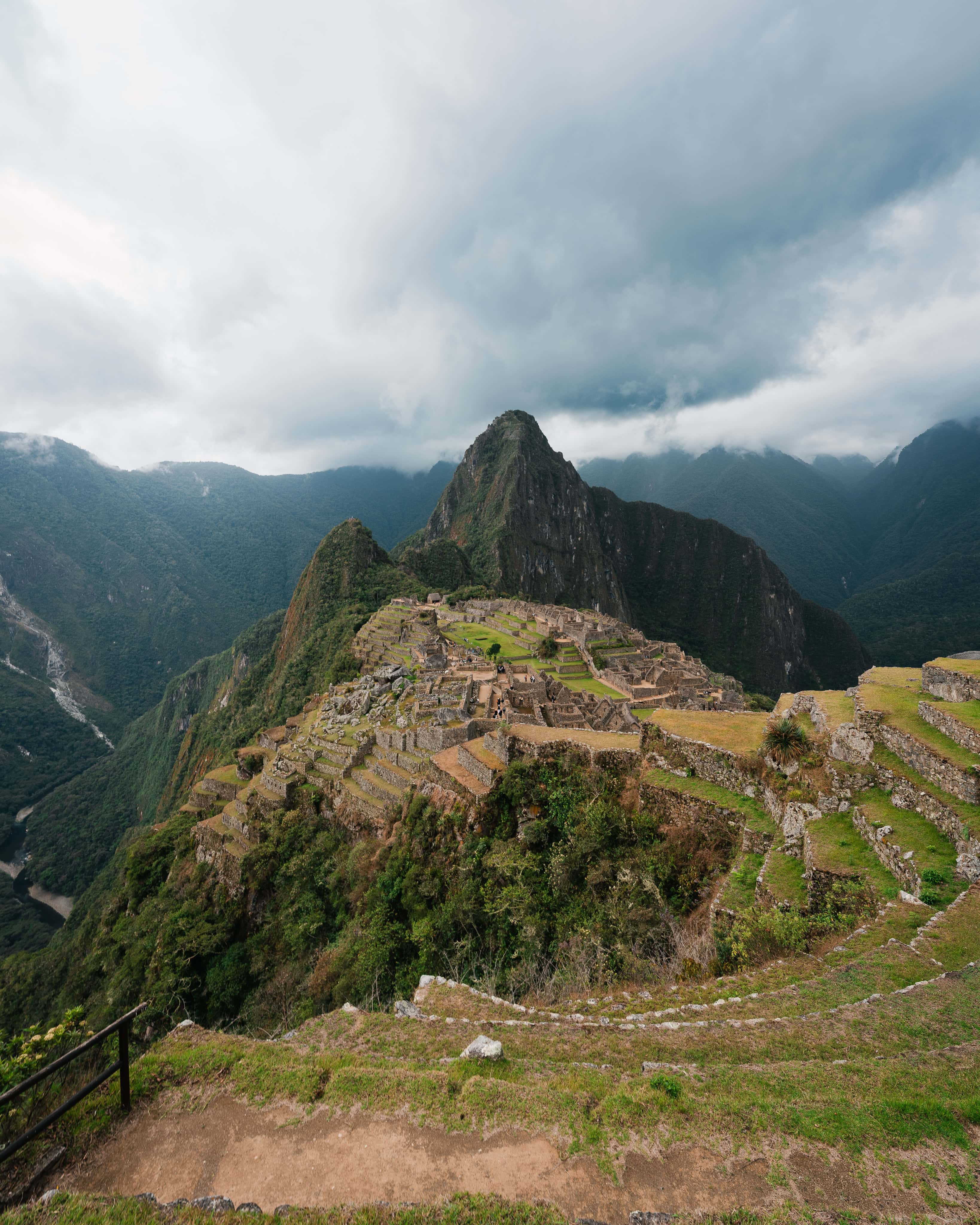
Although it is not located in Cusco, Machu Picchu is the main attraction for excursions. Tickets and access are strictly regulated (with online sales via the state platform), so advance booking is essential. Cusco remains the usual starting point for those arriving by train or bus, and is the departure point for trekking routes such as the Inca Trail.
The best cafés and restaurants in Cusco
- Green Point: Green Point has been a staple of vegetarian and vegan cuisine in Cusco for years. It offers creative dishes, modern presentation and has a loyal following.
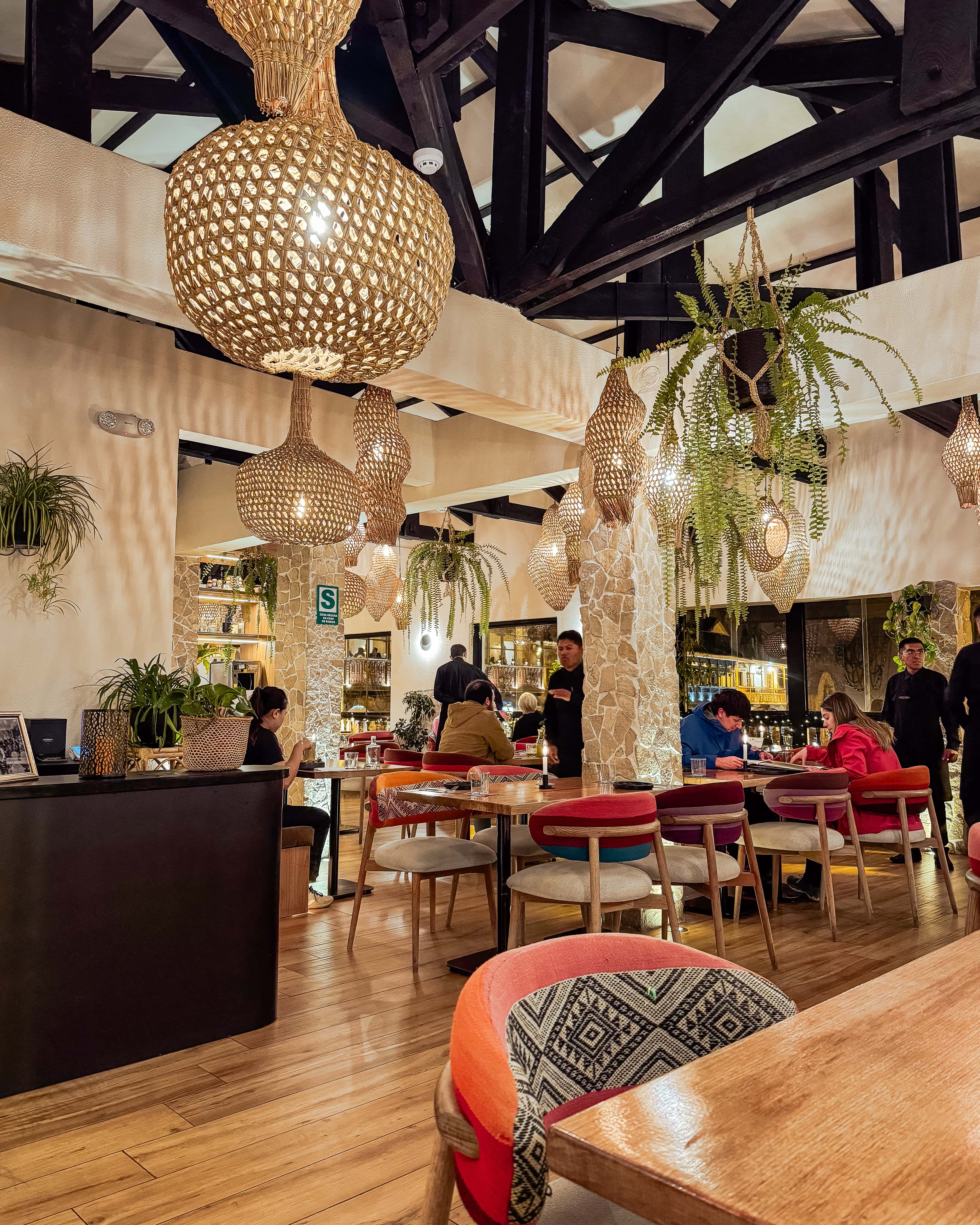
- Morena Peruvian Kitchen: Morena offers modern reinterpretations of traditional Peruvian cuisine in an appealing ambience and is well suited for guests who appreciate regional flavours with upscale presentation. It is one of the most recommended restaurants in the city centre.
- New Garden: A highly praised small restaurant with a varied menu (including vegetarian options). Reviews emphasise fresh ingredients, friendly service and good value for money. It is ideal for relaxed evenings.
- Paddy’s Irish Pub: Paddy’s is a well-known spot for beer, international atmosphere and occasional live music, located right on the Plaza de Armas. It’s touristy, but reliable.
- Carpe Diem: Serves Italian cuisine with fresh pasta and desserts. The restaurant is a popular alternative for lovers of Mediterranean cuisine in Cusco.
- Ofrenda Peruvian Healthy Food: This restaurant takes a modern approach to traditional Peruvian cuisine with a focus on healthy, seasonal ingredients. A good destination for light, regional dishes.
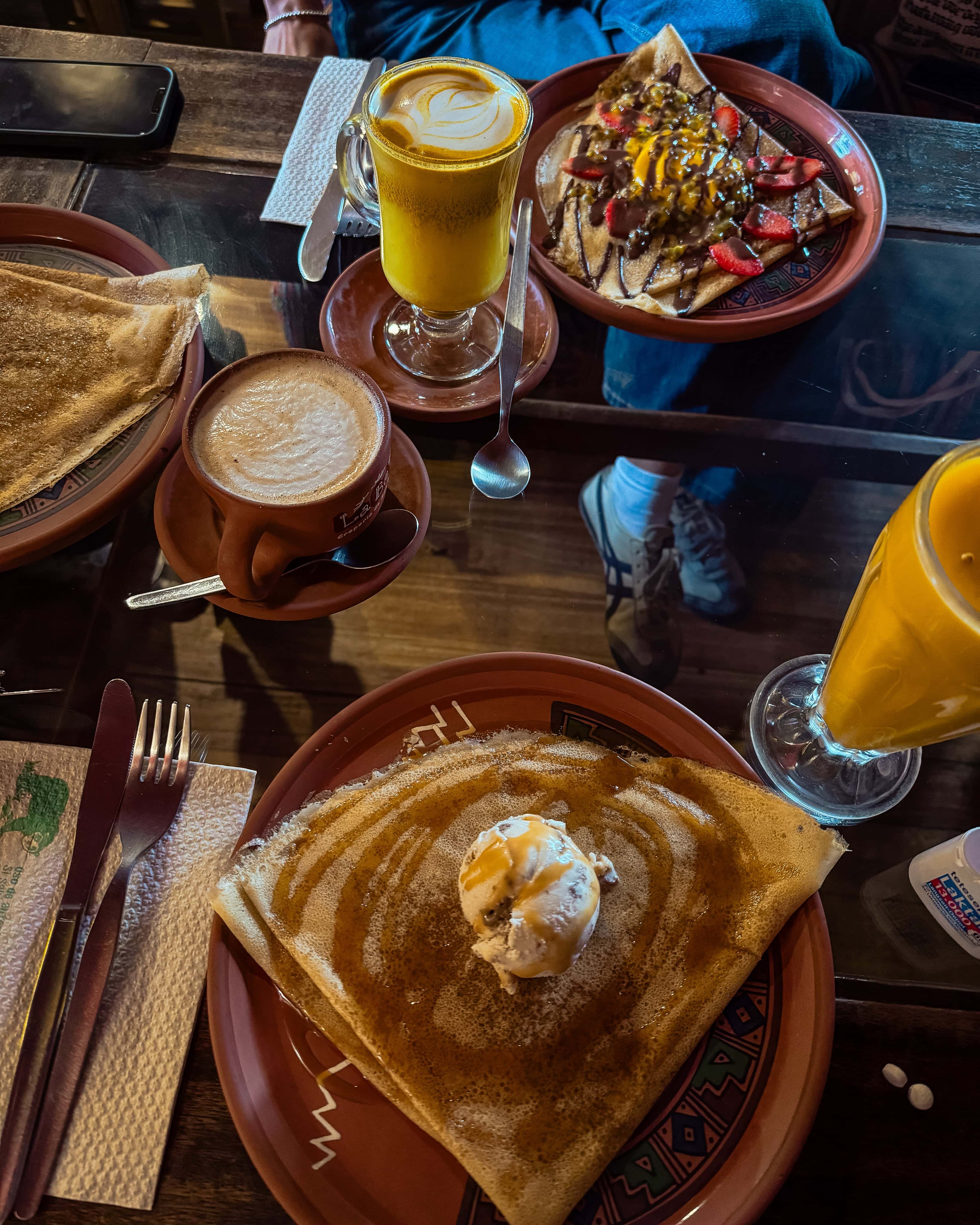
- Crepería & Backpacker La Bo’M (San Blas): A charming crêperie combined with a hostel in San Blas. It serves sweet and savoury crêpes and has a relaxed, artistic atmosphere.
- Jill’s Cuzco: Popular café/restaurant for breakfast, brunch and light meals, appreciated for its gluten-free and fresh options. It is friendly for late risers and foodies who like a relaxed, local atmosphere.
- Jack’s Café: Legendäres All-Day-Spot in Cusco, insbesondere bekannt für das reichhaltige Frühstück und die internationalen Comfort-Food-Gerichte. Es ist bei Langzeitreisenden und all jenen beliebt, die klassische, sättigende Gerichte suchen.
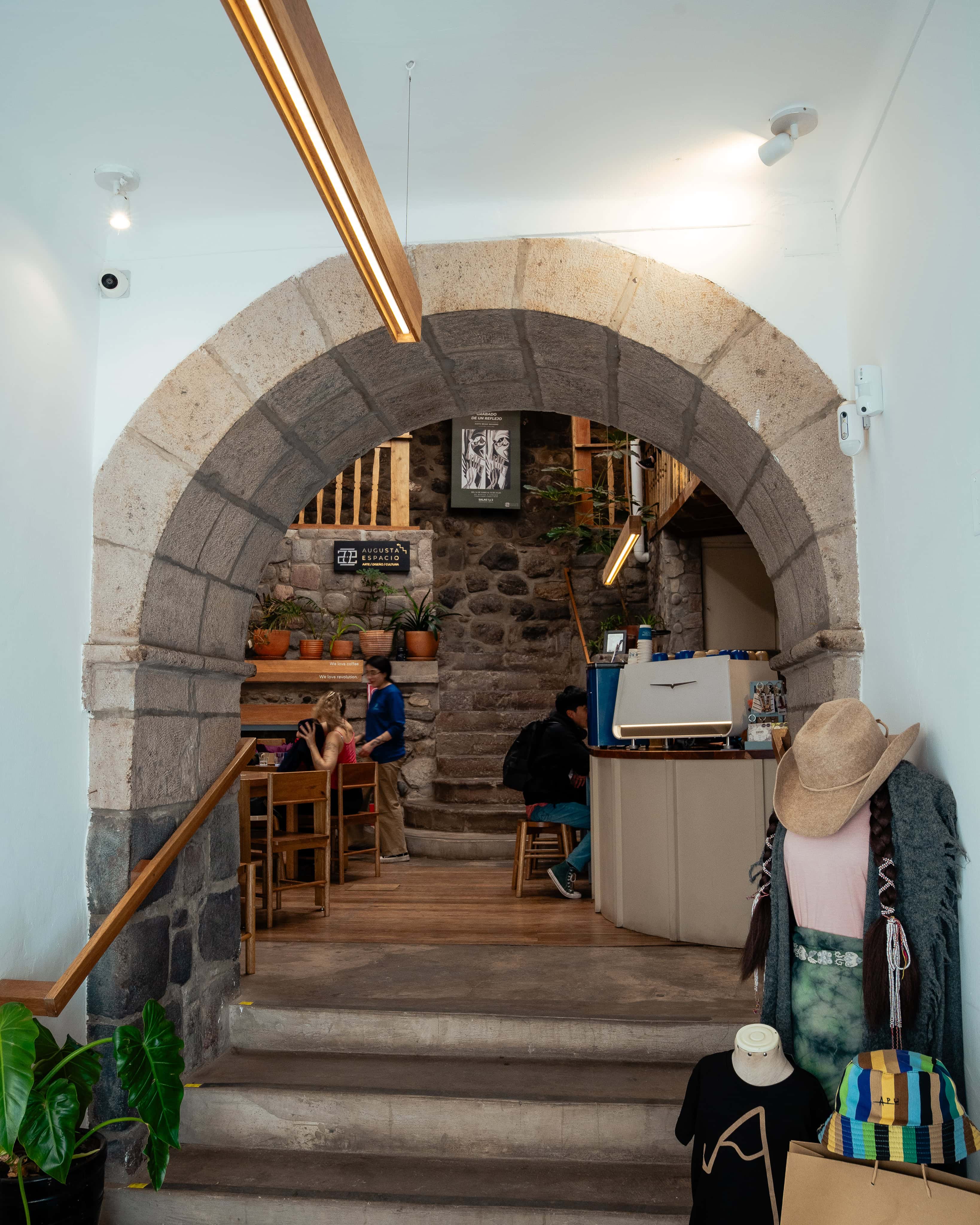
- Florencia y Fortunata: A small specialty café and roastery near the Plaza dedicated to raising the profile of women in the coffee industry, offering specialty coffee from Peru.
- Cafeto 109: This small specialty café near the Plaza de Armas is popular for its good coffee and quick breakfasts and snacks for in between meals.
Cusco is a city that goes far beyond its role as a starting point for Machu Picchu. With its unique blend of Inca history, colonial heritage, vibrant culture, and a culinary scene ranging from street food to fine dining, it provides every traveller with unforgettable experiences. From strolling through the San Pedro Market to gazing out over the sea of lights from Cristo Blanco, Cusco authentically connects the past and the present. Those who take the time to explore the city at a leisurely pace will understand why it is considered by many visitors to be the most magical place in the Andes.