
Stanley Park, one of the most impressive city parks in the world, is also one of Vancouver’s most famous landmarks. Located right on the edge of the city centre, it uniquely combines pristine nature and a centuries-old history with numerous attractions. The park symbolises the city’s unique character: it is both urban and modern, yet also deeply rooted in nature, culture and the coastal landscape.
Location and overview
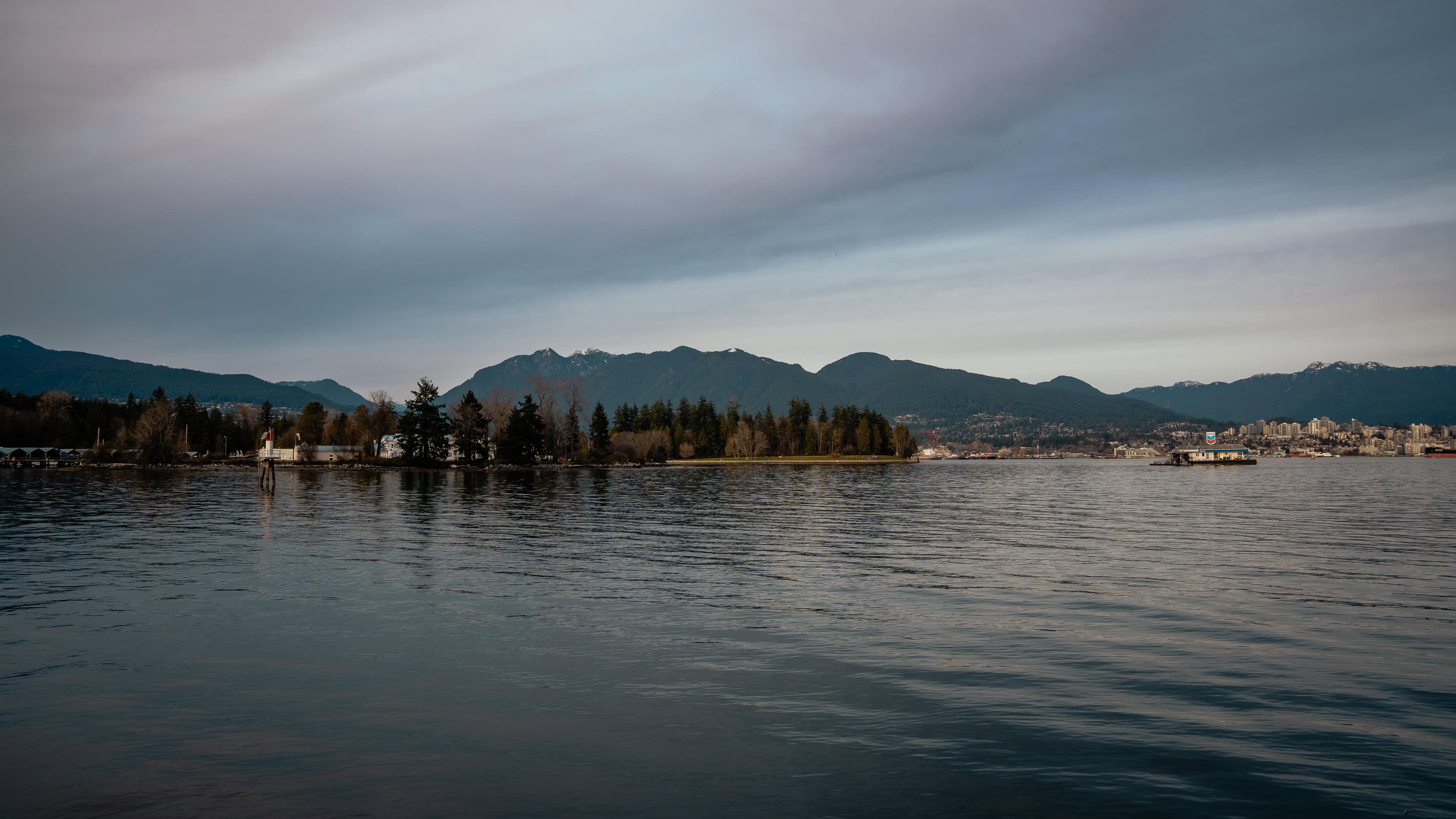
Stanley Park is an urban park covering 404.9 hectares in the north-west of Vancouver’s downtown peninsula in the Canadian province of British Columbia. It is almost completely surrounded by the waters of Burrard Inlet, English Bay and Georgia Strait, and borders the West End and Coal Harbour neighbourhoods to the southeast. The Lions Gate Bridge, which connects downtown Vancouver with North Vancouver, is located at the northern edge of the park. Opened in 1888, Stanley Park is considered one of the world’s most important urban nature and recreation areas. It attracts around eight to nine million visitors annually and offers a fascinating mix of dense rainforest, coastal landscapes, cultural sites, and leisure attractions.
History and cultural significance
Long before European settlers arrived, the peninsula on which Stanley Park now stands was an important area for indigenous peoples in the coastal region, particularly the Coast Salish. Archaeological finds prove that the area was inhabited for thousands of years before being explored by British colonists during the Fraser Canyon gold rush in the mid-19th century. Following the foundation of the city of Vancouver in 1886, the city council secured the area as the city’s first public park, naming it after Lord Frederick Stanley, who was Governor General of Canada at the time. Thus, the park is not the work of a single landscape architect, but rather the result of many years of development balancing nature conservation and public use.
Natural spaces and ecosystems
Stanley Park is home to an immense, almost untouched rainforest containing hundreds of thousands of trees, including Douglas firs, hemlock firs, and several hundred-year-old western red cedars. Its diverse habitats range from old-growth forests and wetlands to Beaver Lake, rocky coastlines and beaches. These natural features make Stanley Park a prime example of ecological conservation within a major city. The park provides a habitat for numerous animal species, including birds, squirrels, beavers and, occasionally, coyotes.

Seawall – The famous waterfront promenade
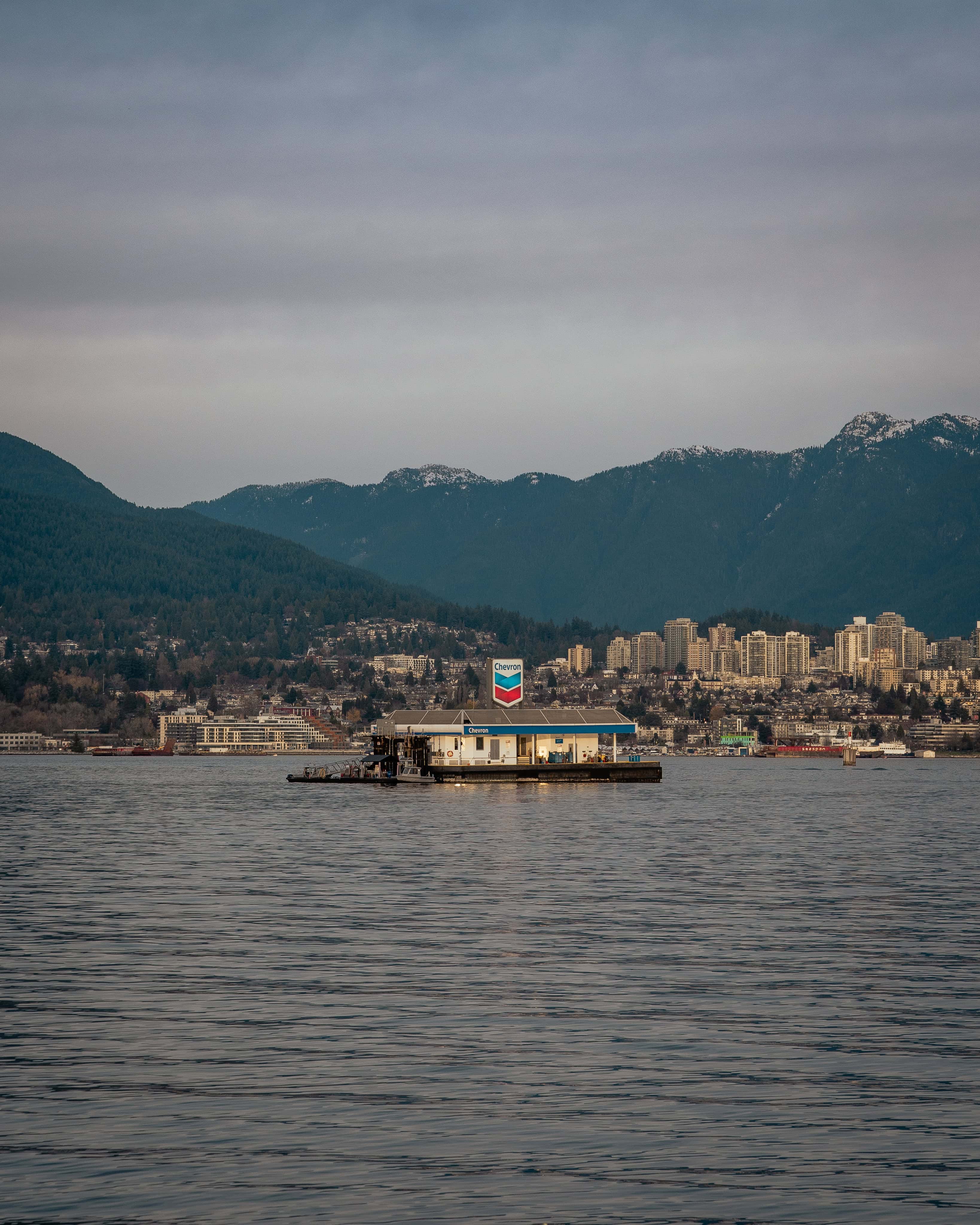
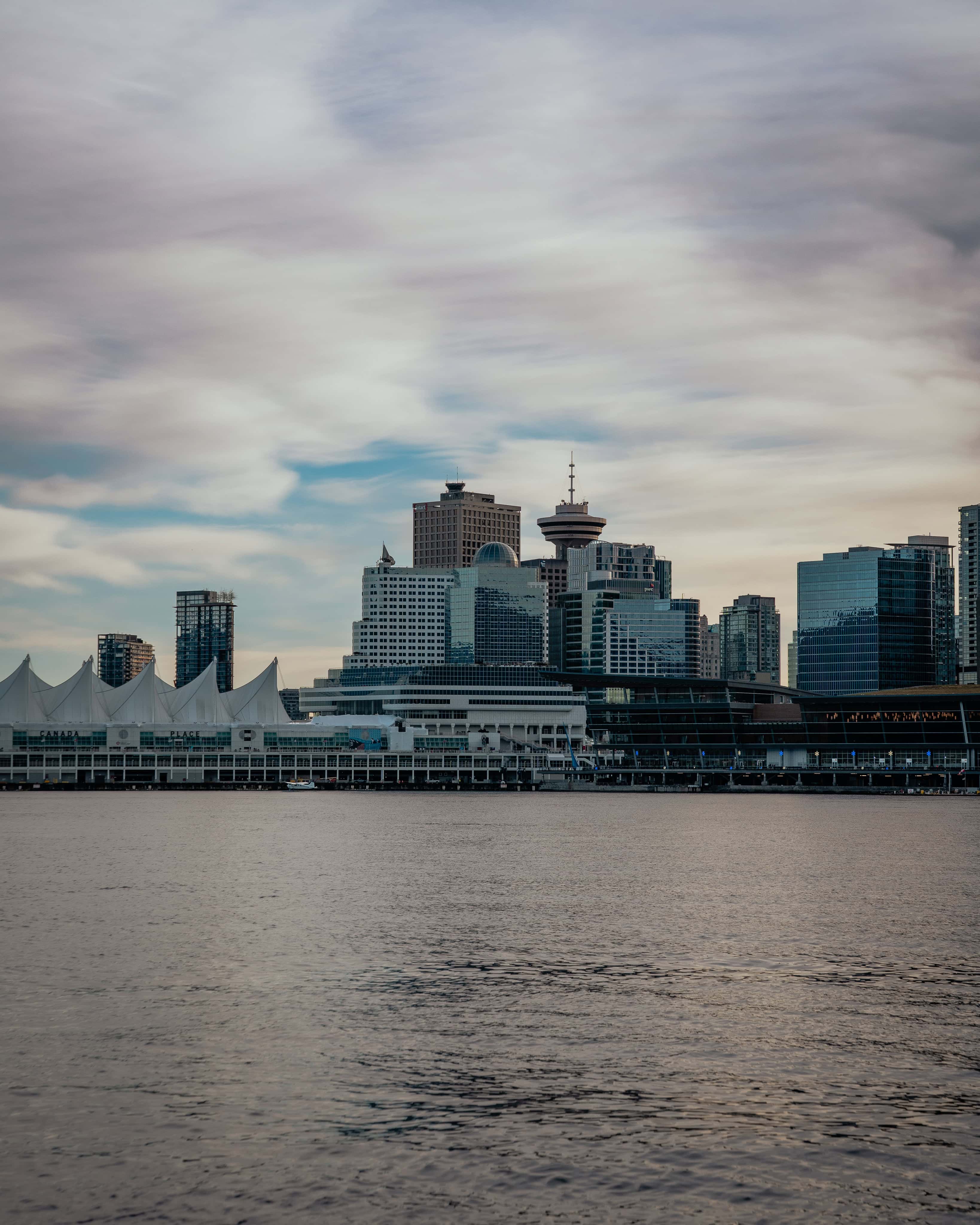
A central feature of the park is the Seawall, a long promenade that encircles its coastline. Originally built to protect against coastal erosion, it has since become the park’s most popular attraction and forms part of the longer Seaside Greenway. Locals and tourists alike use the waterfront path for walking, cycling and inline skating, and it offers spectacular views of the ocean, the North Shore Mountains and the Lions Gate Bridge.
Sights and highlights
Stanley Park boasts a variety of interesting places and cultural attractions:
- Lost Lagoon, an artificial lake near the park entrance, is now an important bird sanctuary with a picturesque water feature.
- Siwash Rock is a striking volcanic basalt rock formation on the coast and one of the park’s most famous natural landmarks, surrounded by indigenous legend.
- The Hollow Tree is a centuries-old red cedar trunk and one of the park’s most iconic photo opportunities.
- Beaver Lake offers tranquillity and the chance to observe nature along a circular trail through wet woodlands.
- Prospect Point ist einer der beliebtesten Aussichtspunkte mit Blick auf die Lions Gate Bridge und das Burrard Inlet.
- The famous totem poles at Brockton Point represent the rich art and culture of the First Nations in British Columbia.
- The Vancouver Aquarium is one of Canada’s best-known and most important marine institutions. It showcases a wide array of marine life and is actively involved in research, species conservation, and environmental education.

Activities and visitor tips
Sports enthusiasts can walk, cycle or jog around the seawall in Stanley Park, which offers something for every visitor. Nature lovers can hike along extensive forest trails around lakes and wetlands. Those interested in art and culture can discover totem poles, monuments, and historic buildings, while families can enjoy unforgettable moments at the aquarium or on the miniature train. When the weather is good, the park’s beaches are perfect for sunbathing and swimming.
Stanley Park is much more than just a large city park. It uniquely combines wild nature, cultural identity, spectacular landscapes and recreational activities. Thanks to its location directly opposite the Vancouver skyline, it is an essential destination for travellers wanting to experience the natural beauty and multicultural atmosphere of Canada’s west coast.